SELECT IMAGE TO VIEW FULL PHOTO
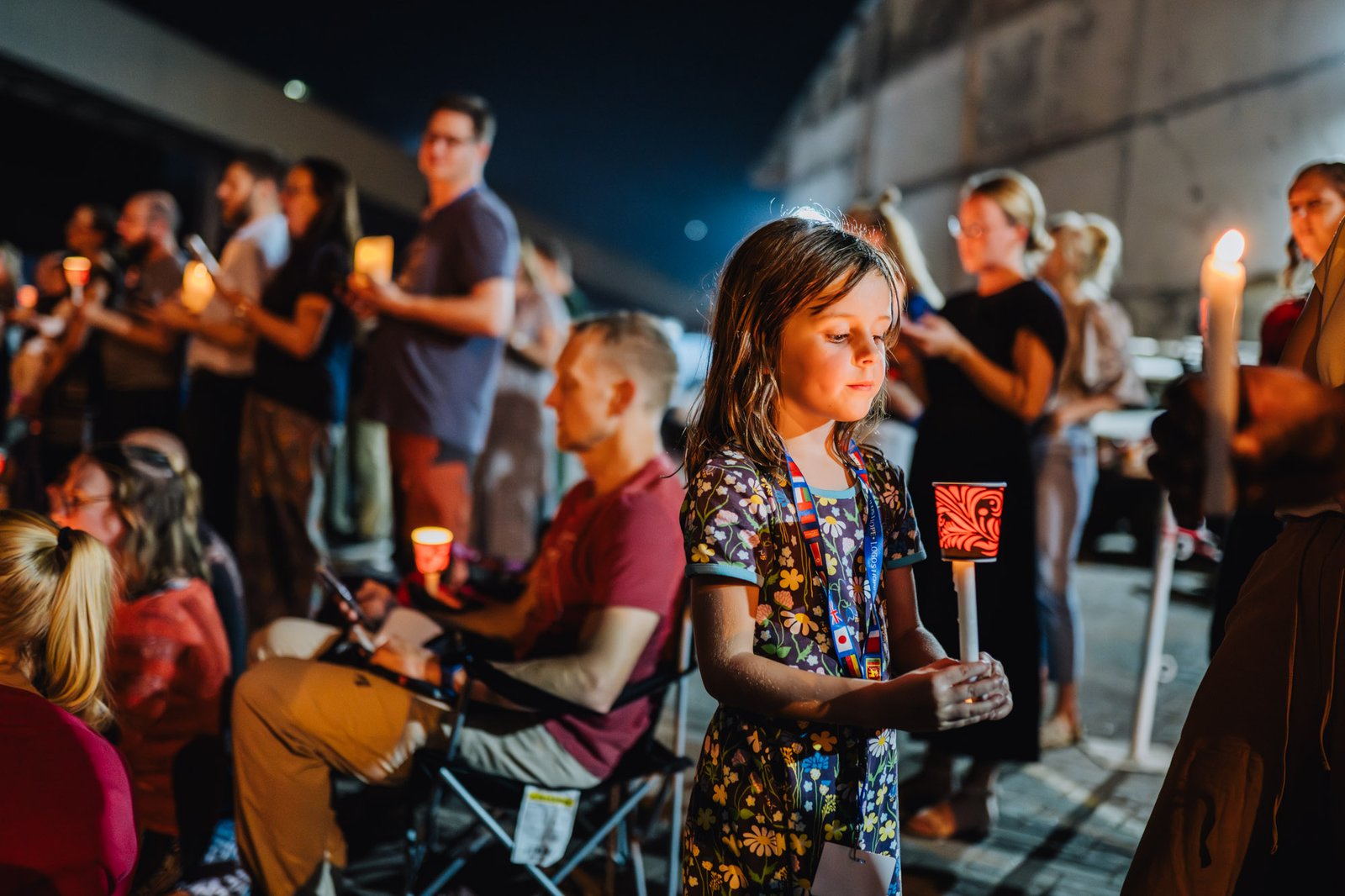
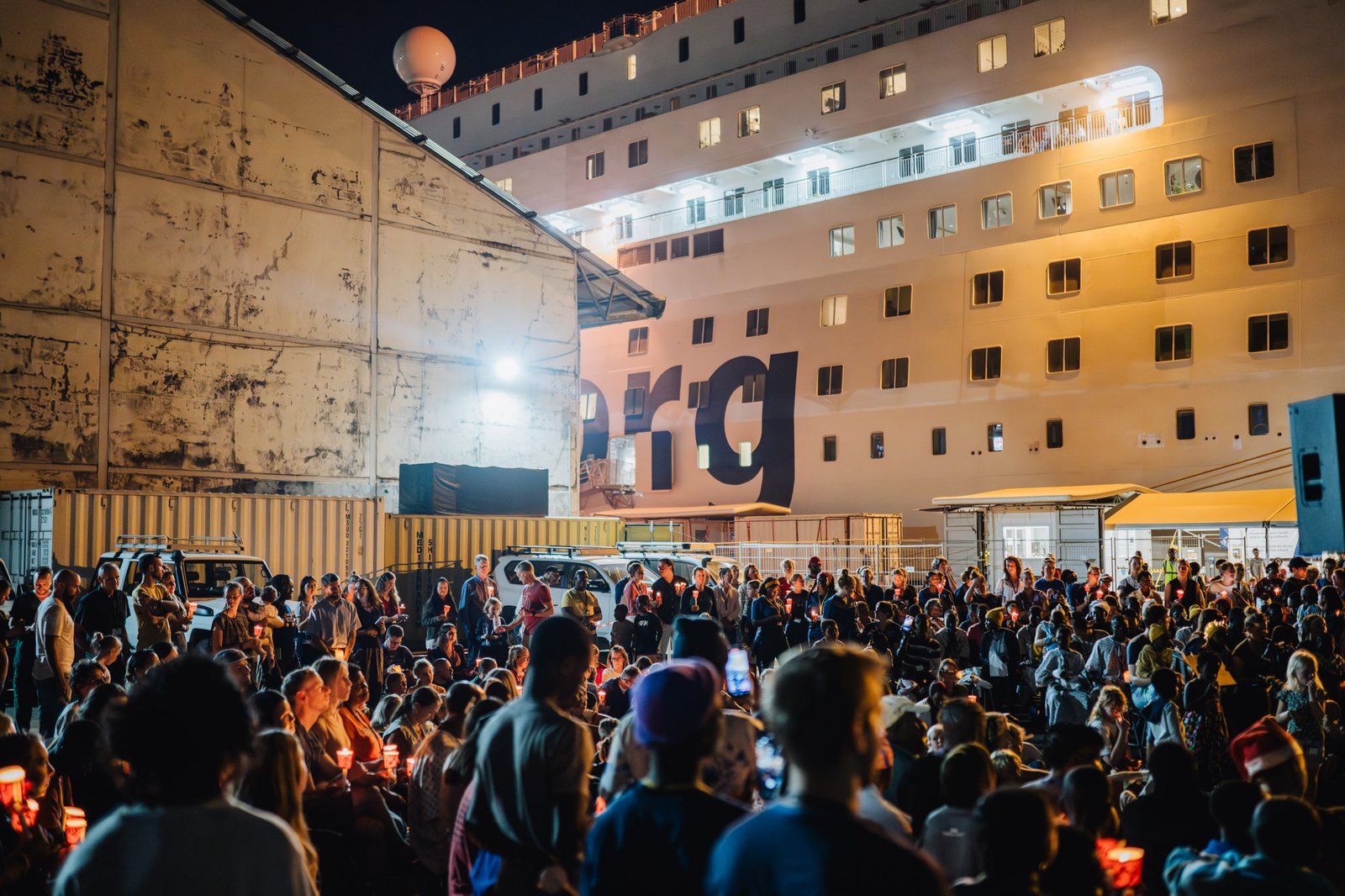
CHRISTMAS TIME
ON THE JOB
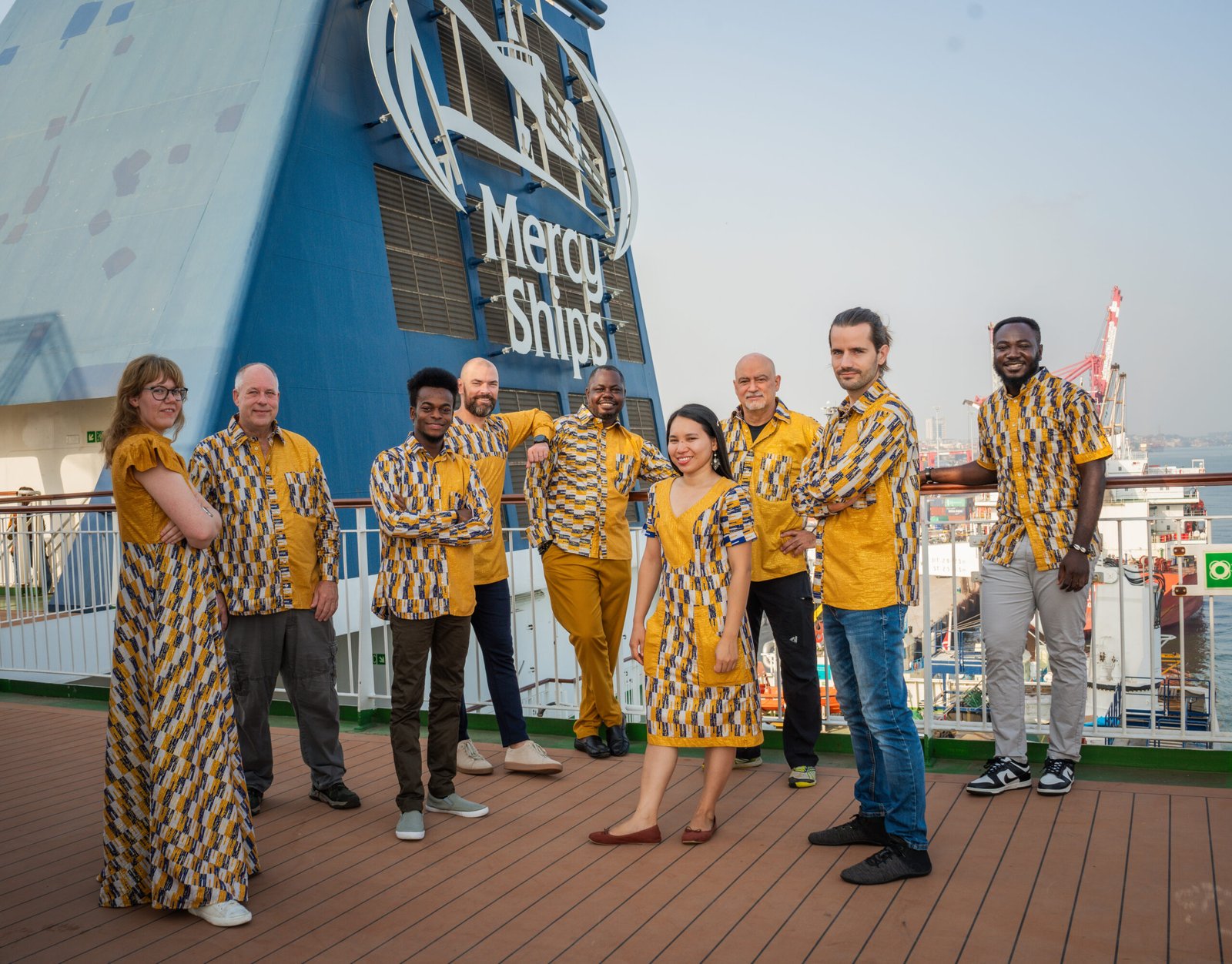
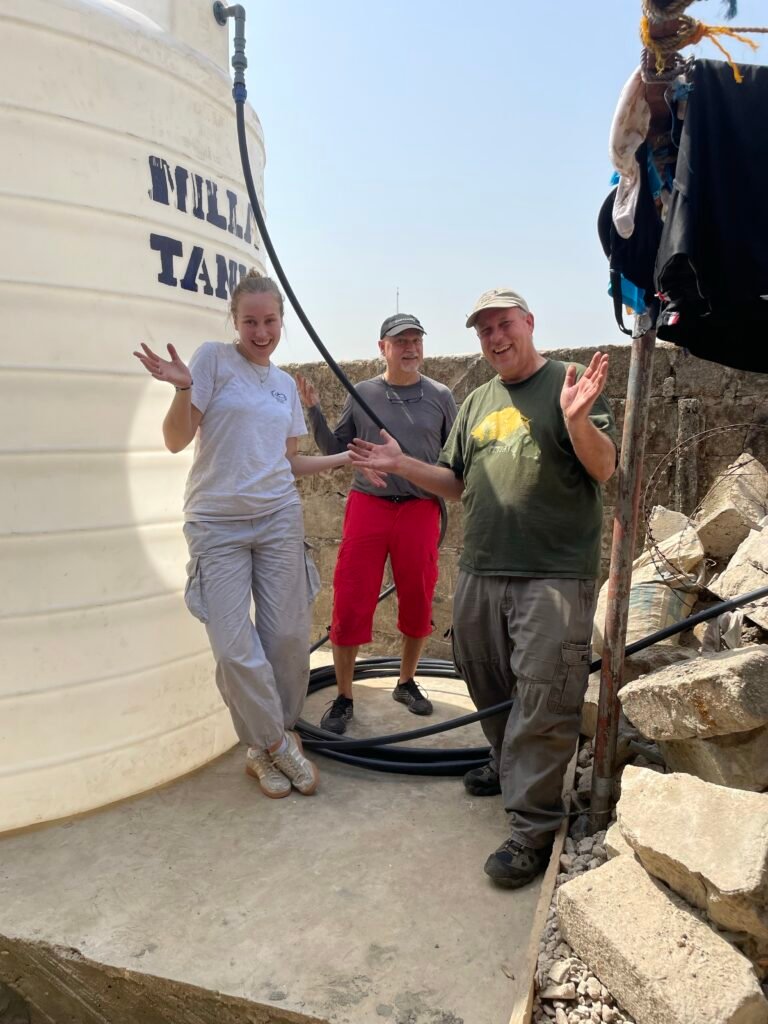
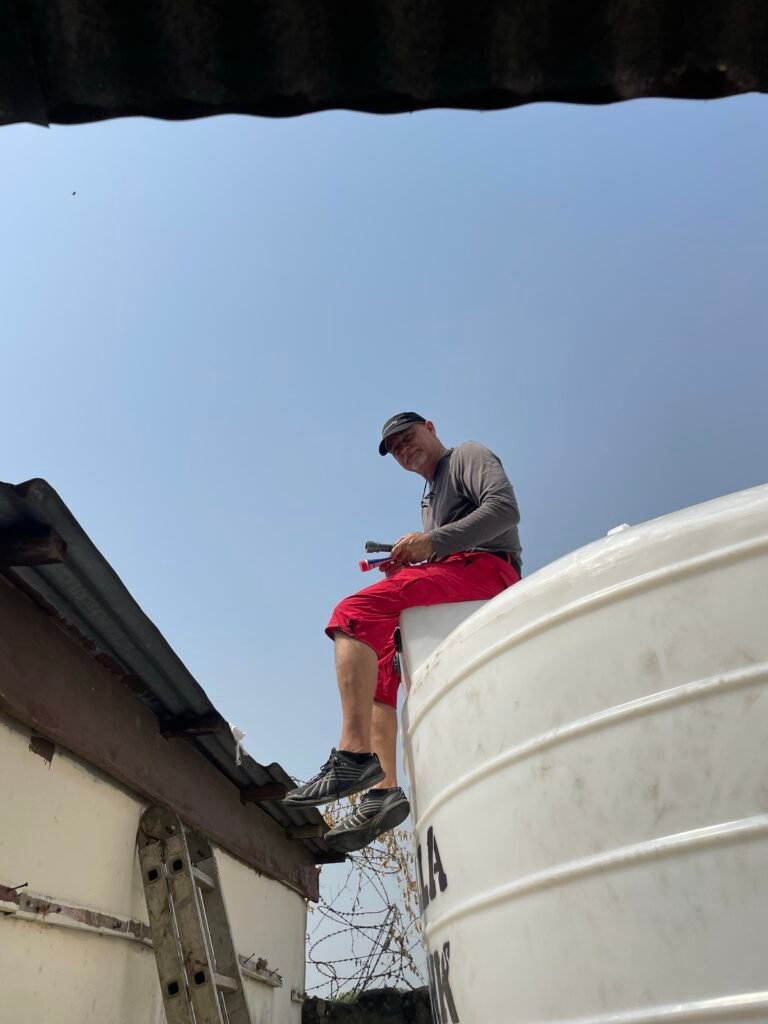
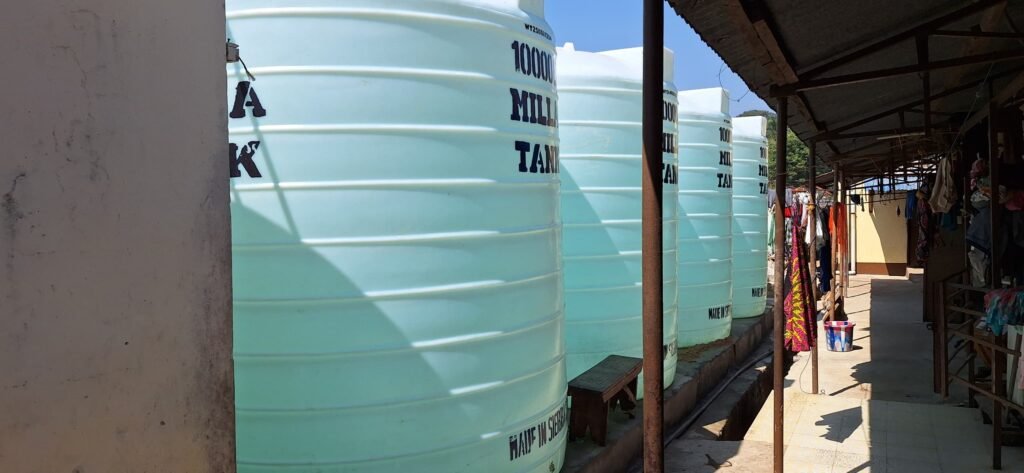
Besides doing our regular jobs, many of the crew members take on or join special projects. I averaged a full day off about every three weeks so it wasn’t often that I could volunteer on these projects. On one of my earliest days off, I joined a group who had been working on a new water supply and storage for the Aberdeen Women’s Hospital. This was a hospital that Mercy Ships helped establish during a field service a decade earlier. In the section on pollution, I describe further the need for these storage tanks.
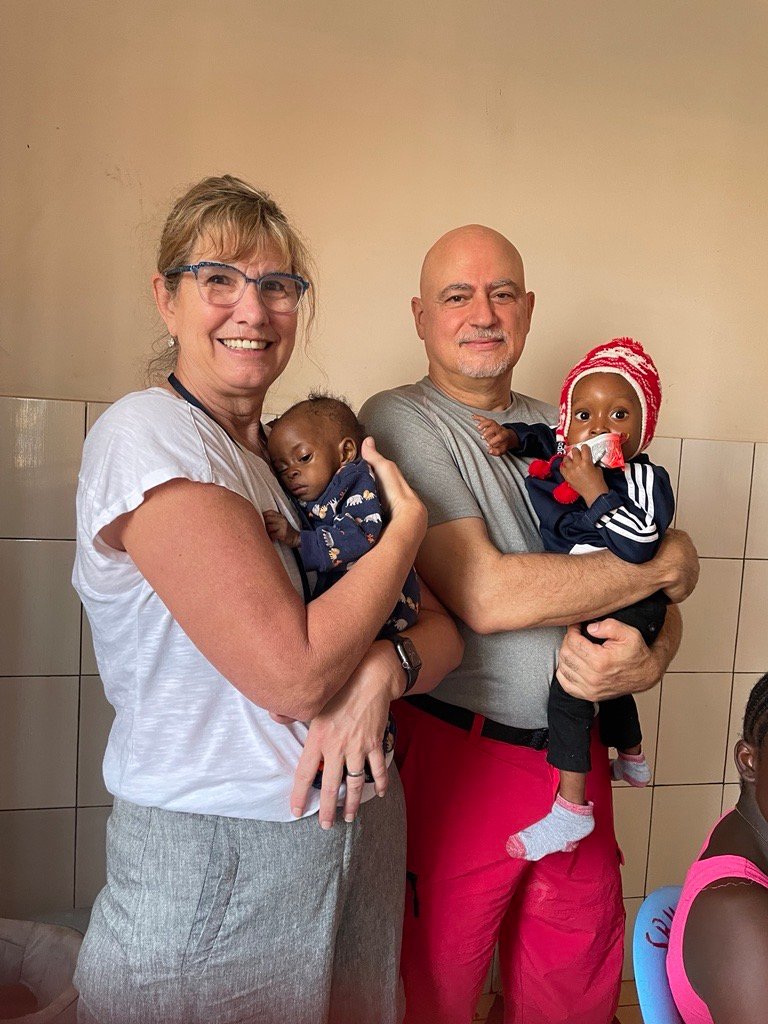
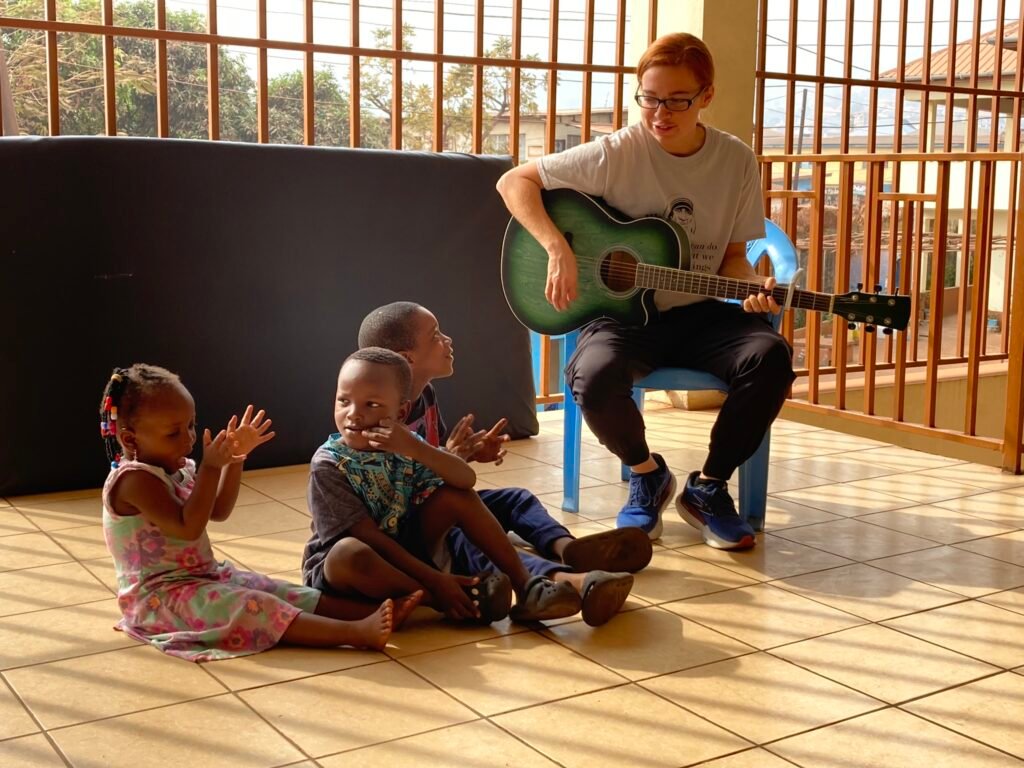
A few of times, I was able to join with Briana going to the Missionaries of Charity to help serve breakfast to the residents. The facility is split into two programs. One houses people with Aides, and the other is for young mothers who need to learn how to be mothers. Briana, who is now serving on the Africa Mercy in Madagascar, has a sister who is an aspirant with the Missionaries of Charity, so she likes to do things with them. Briana writes and records music under the name Briana Claire. Elaine, one of the nurses joined us on one of our trips. She and her husband David were on the ship for a several weeks. David is a pediatric surgeon. They have served together four times.
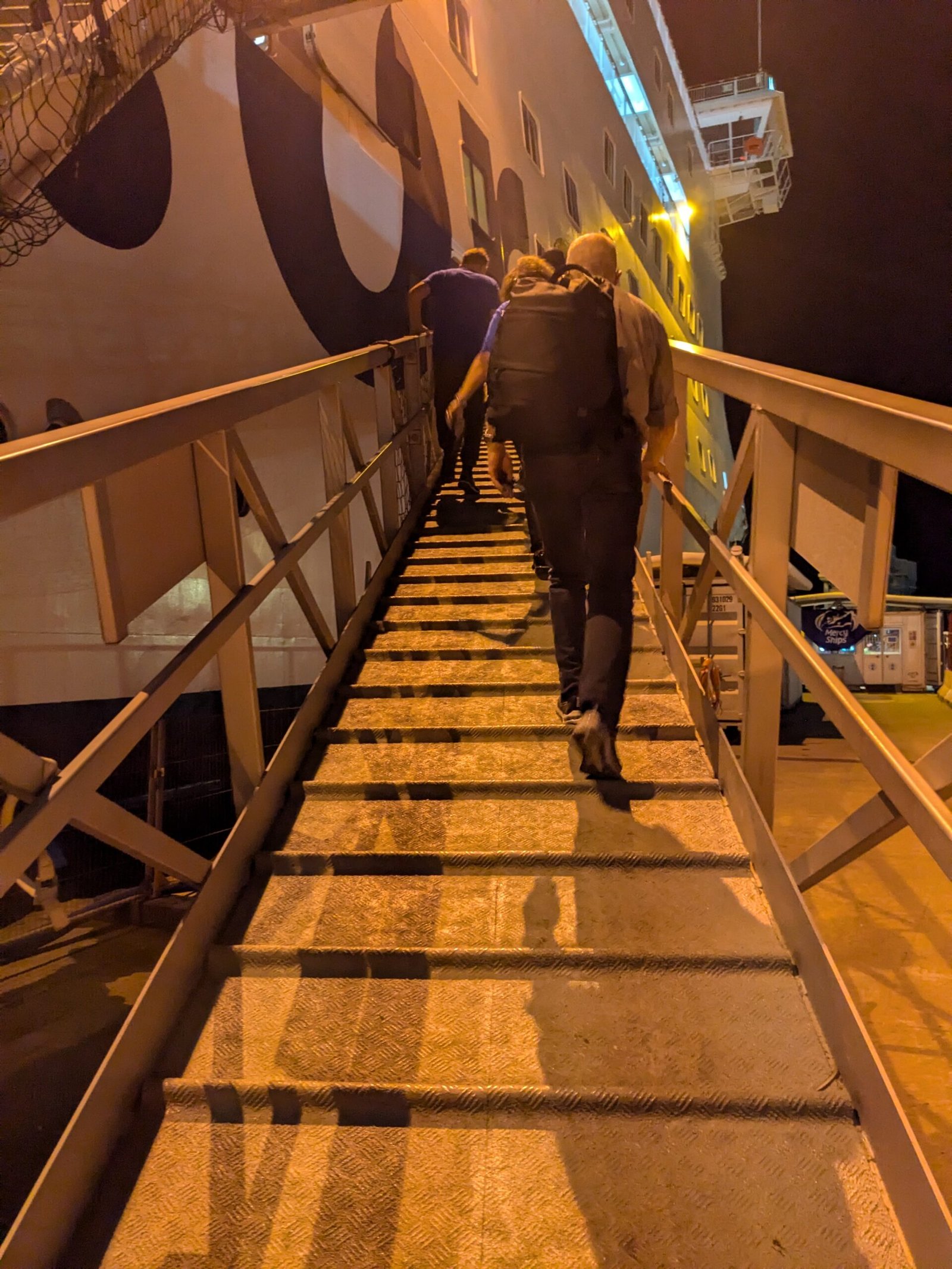
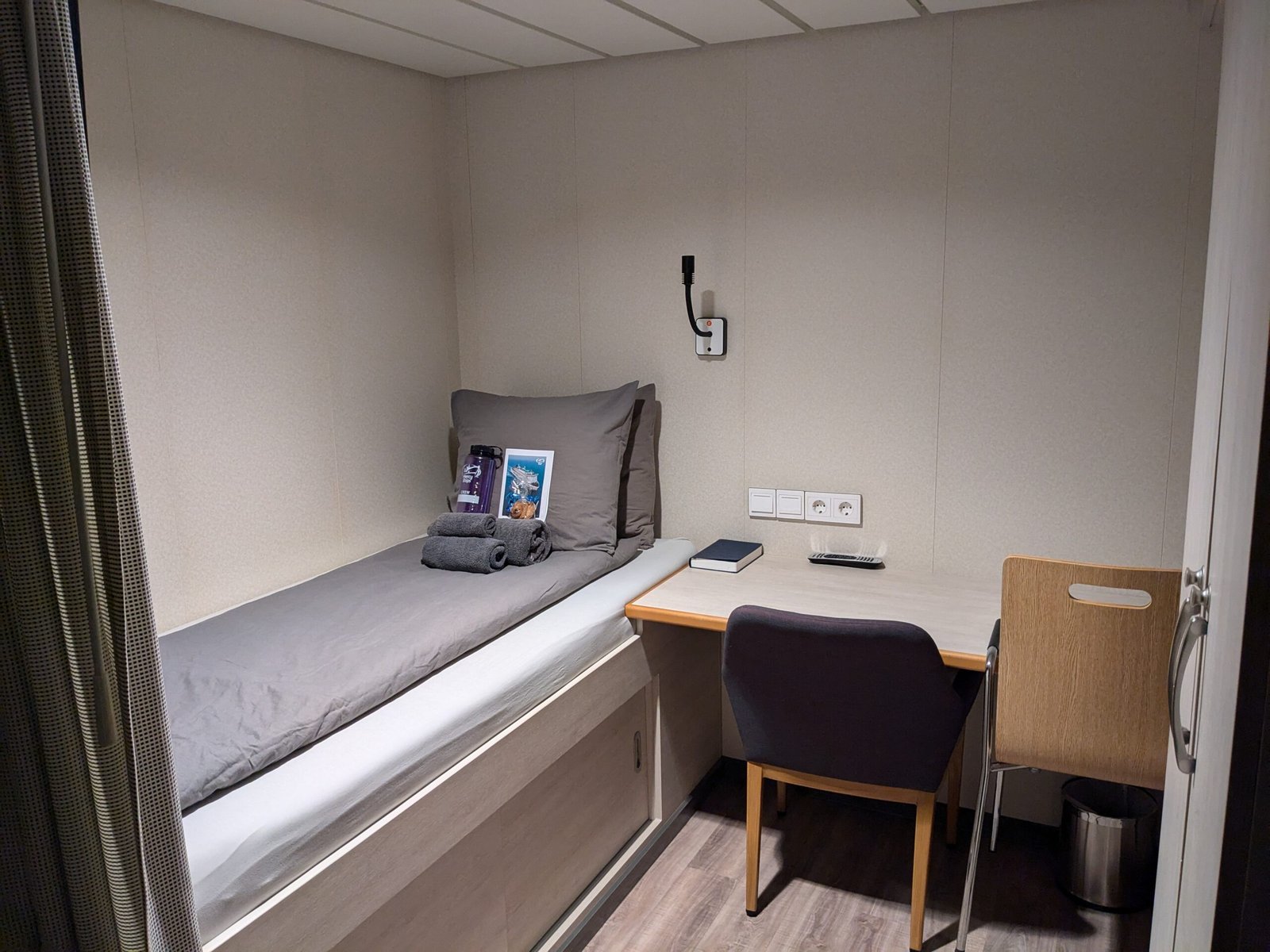
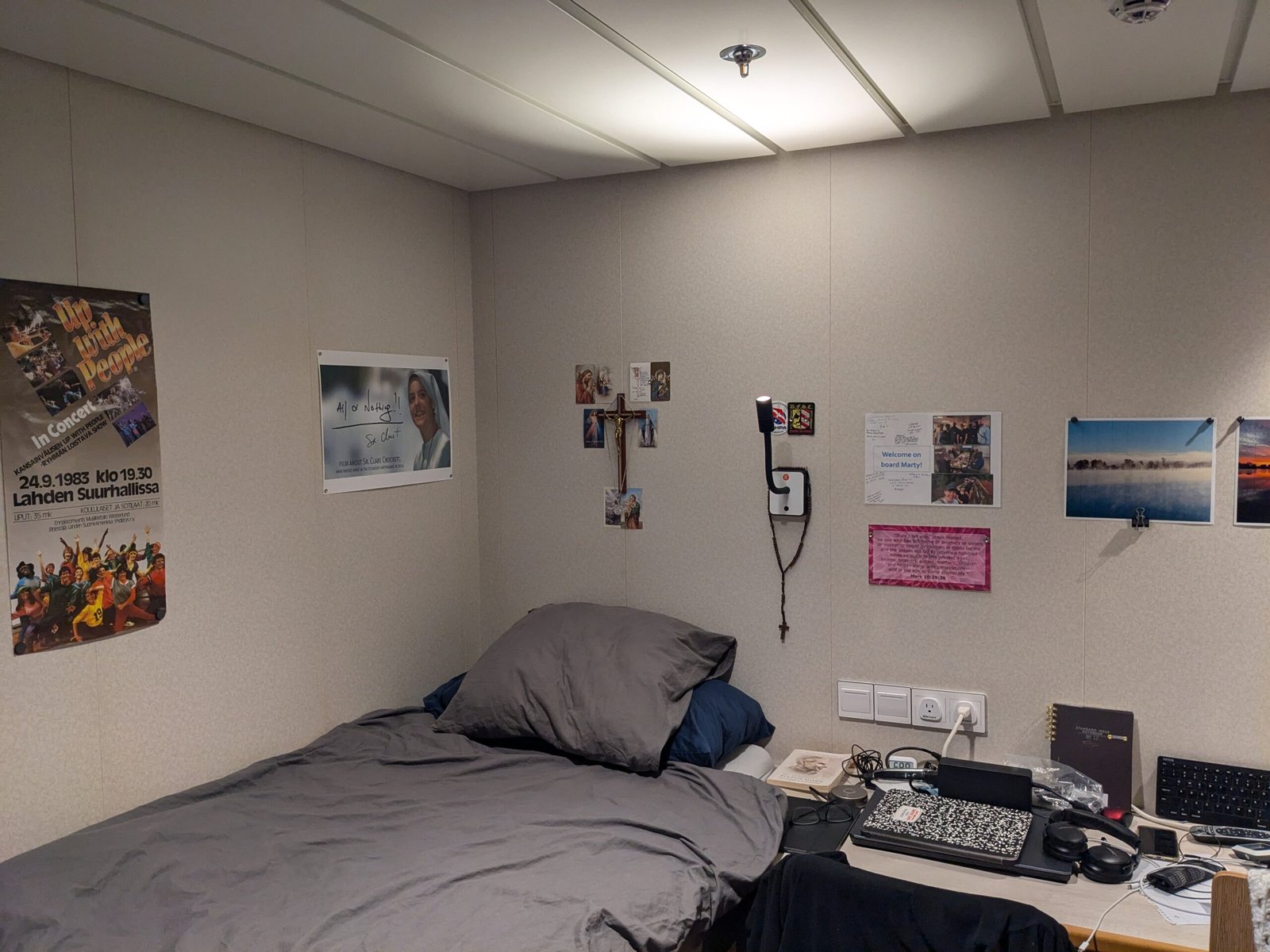
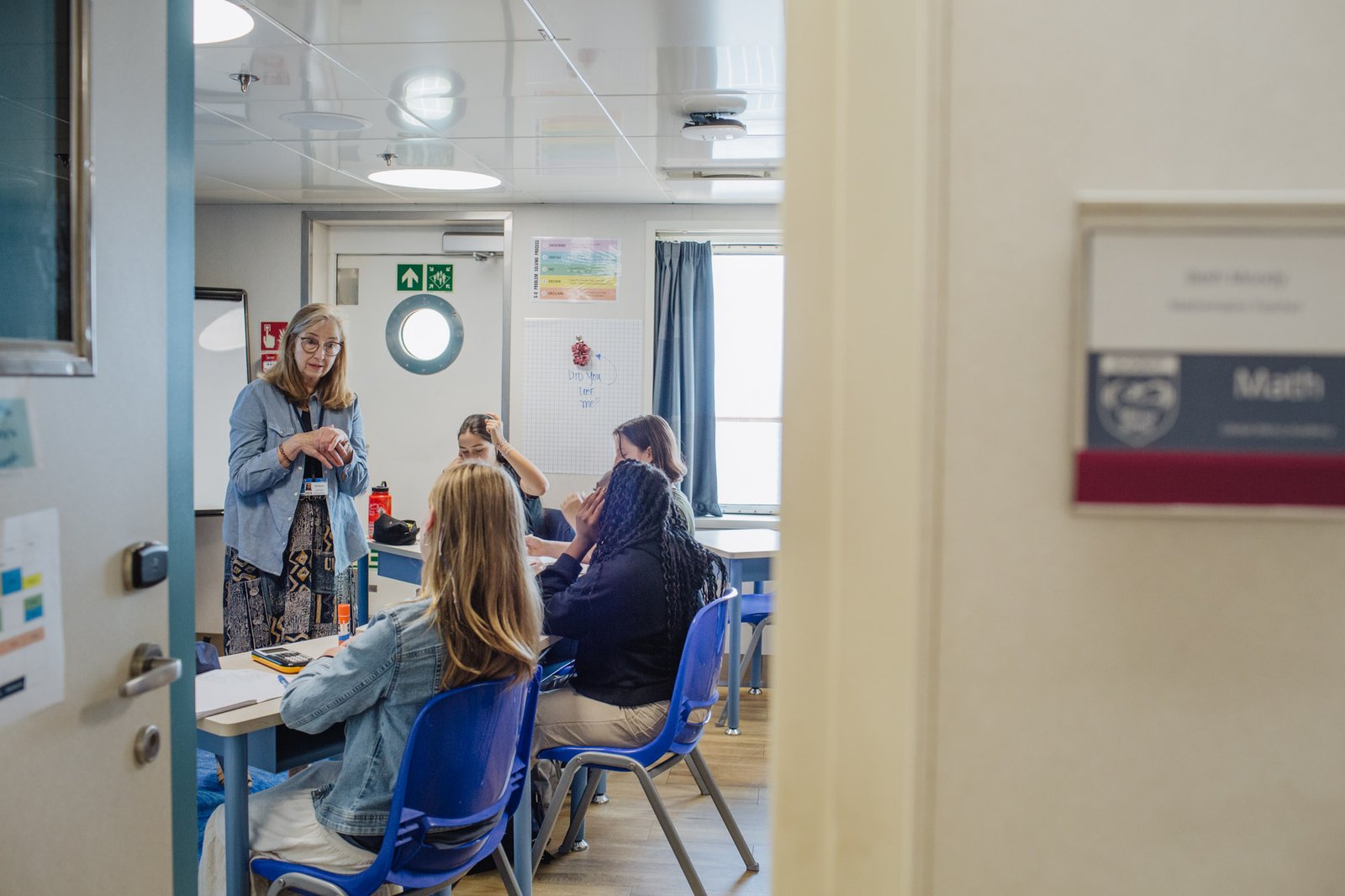
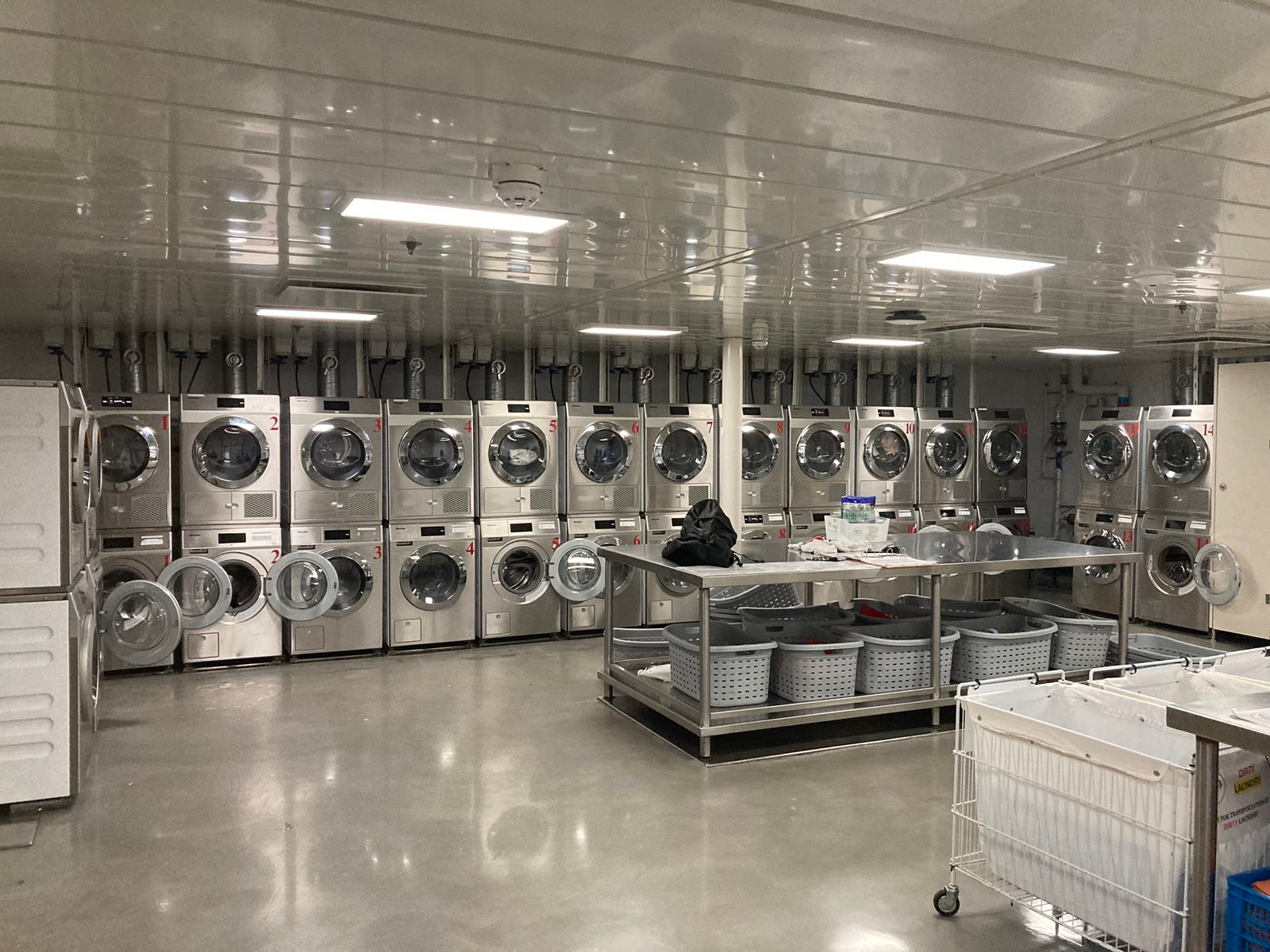
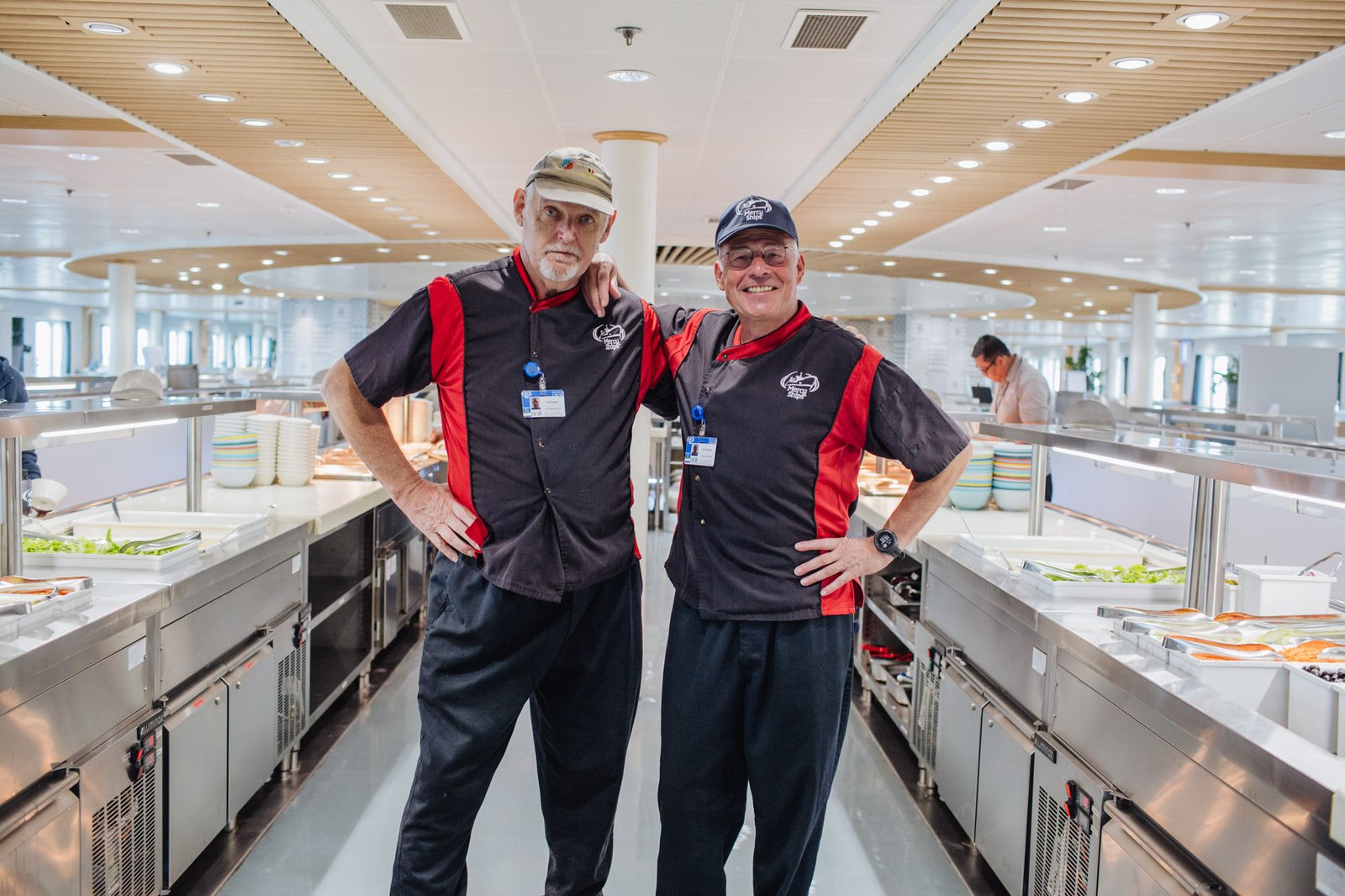
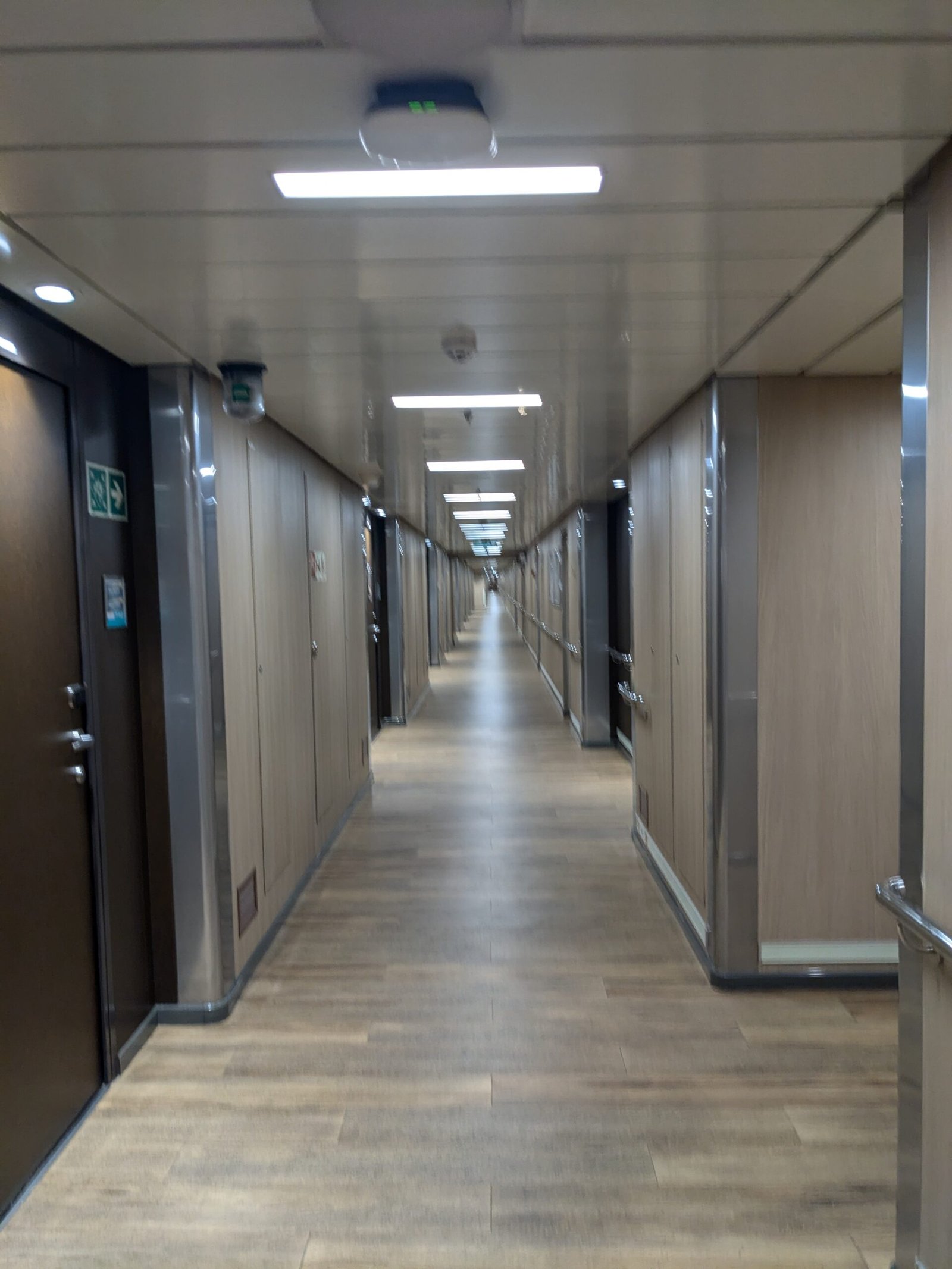
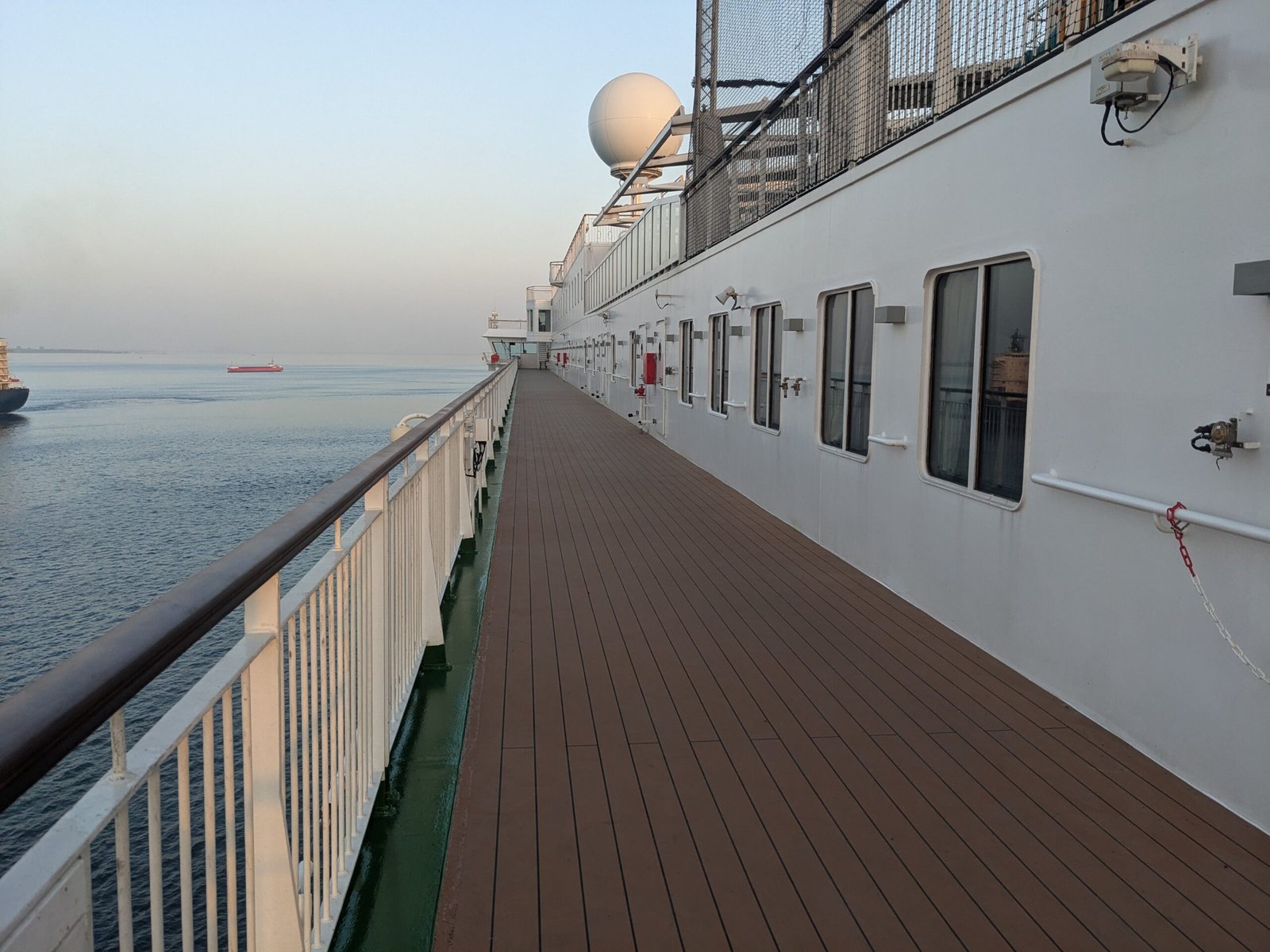
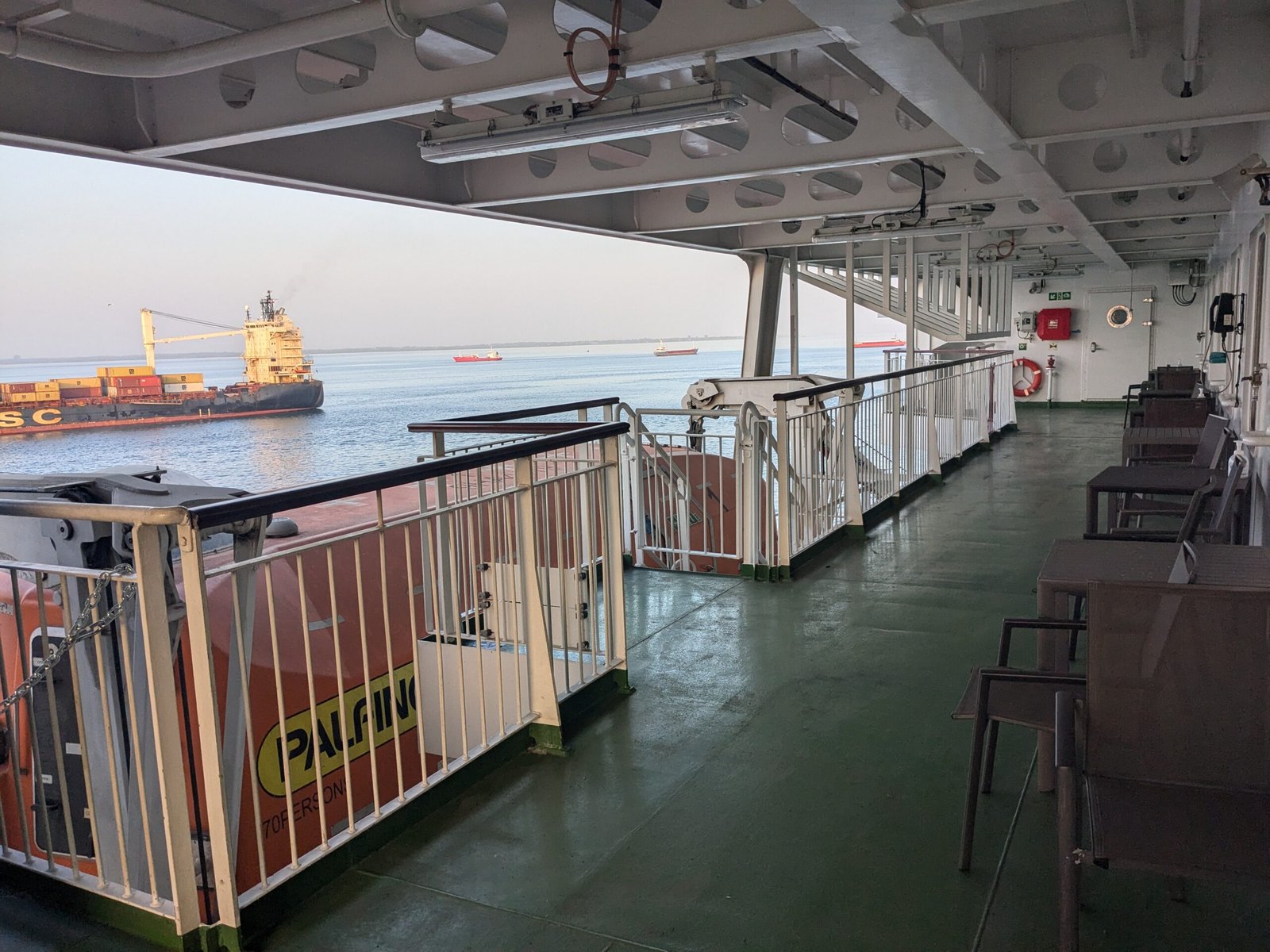
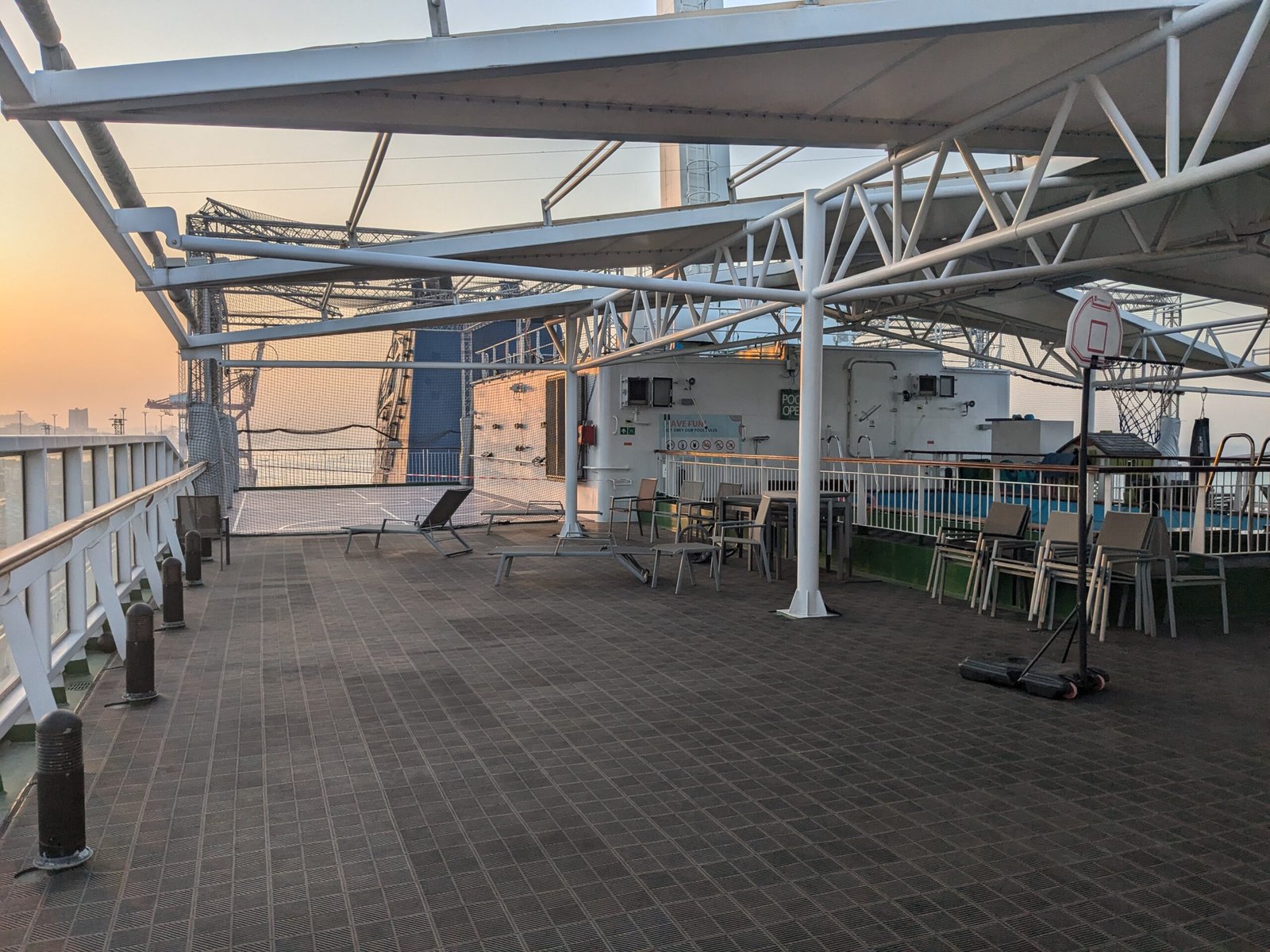
LIVING ON THE WORLD’S LARGEST, PURPOSE-BUILT, HOSPITAL SHIP
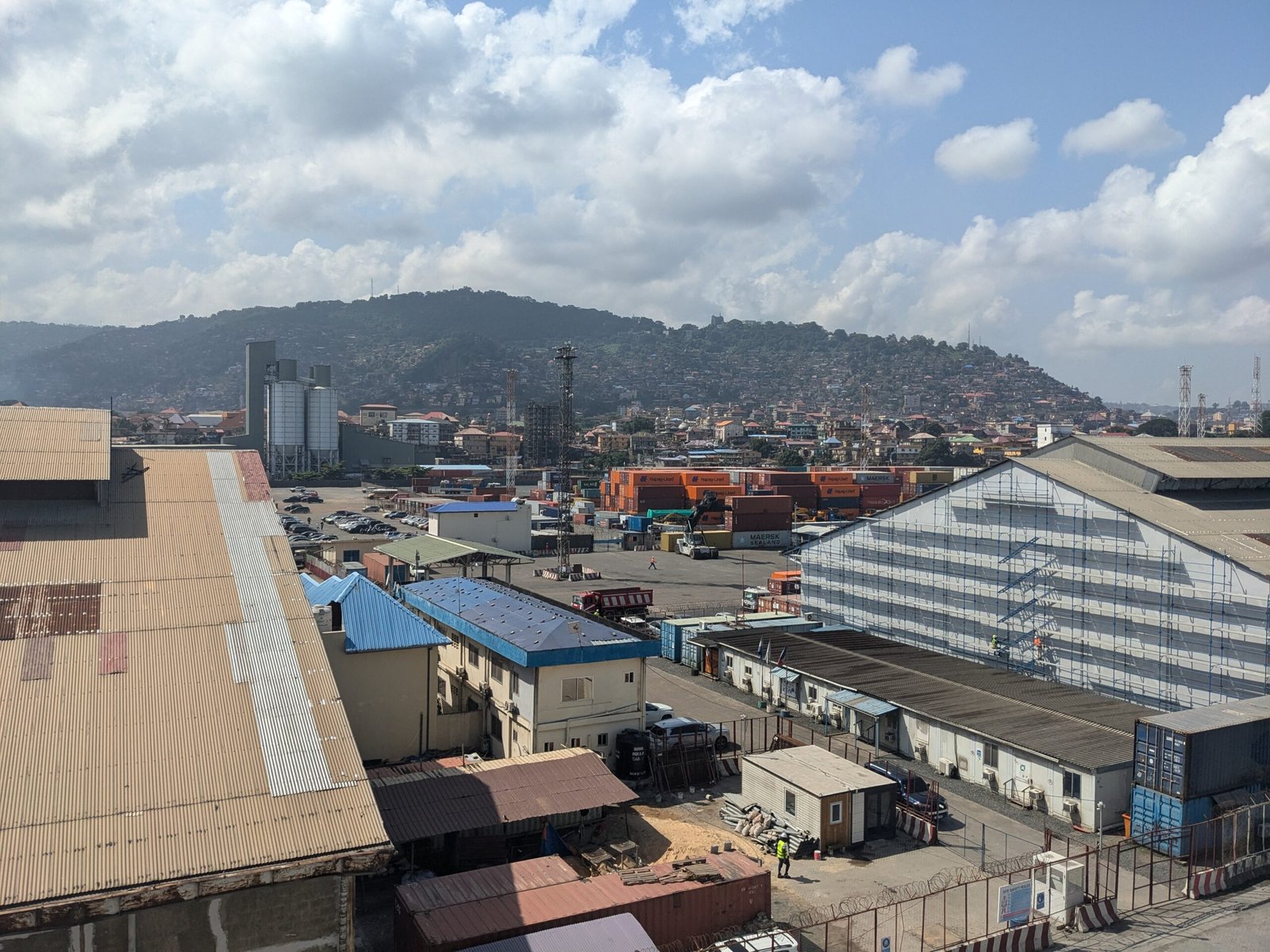
GETTING AROUND FREETOWN
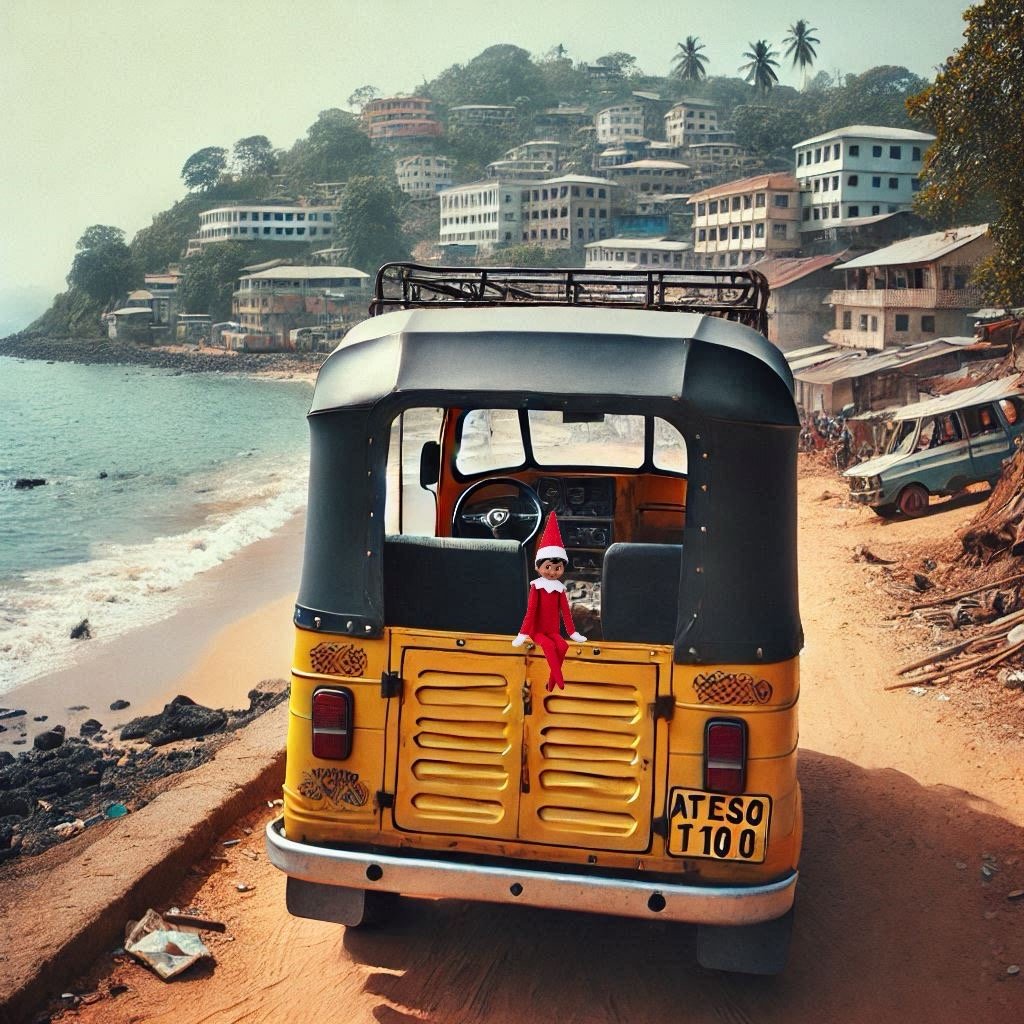
Most common method is to catch a KeKe. Another option is to hire a motorcycle (not a ship approved method, but I found it most effective particularly when traveling alone – Shhh)
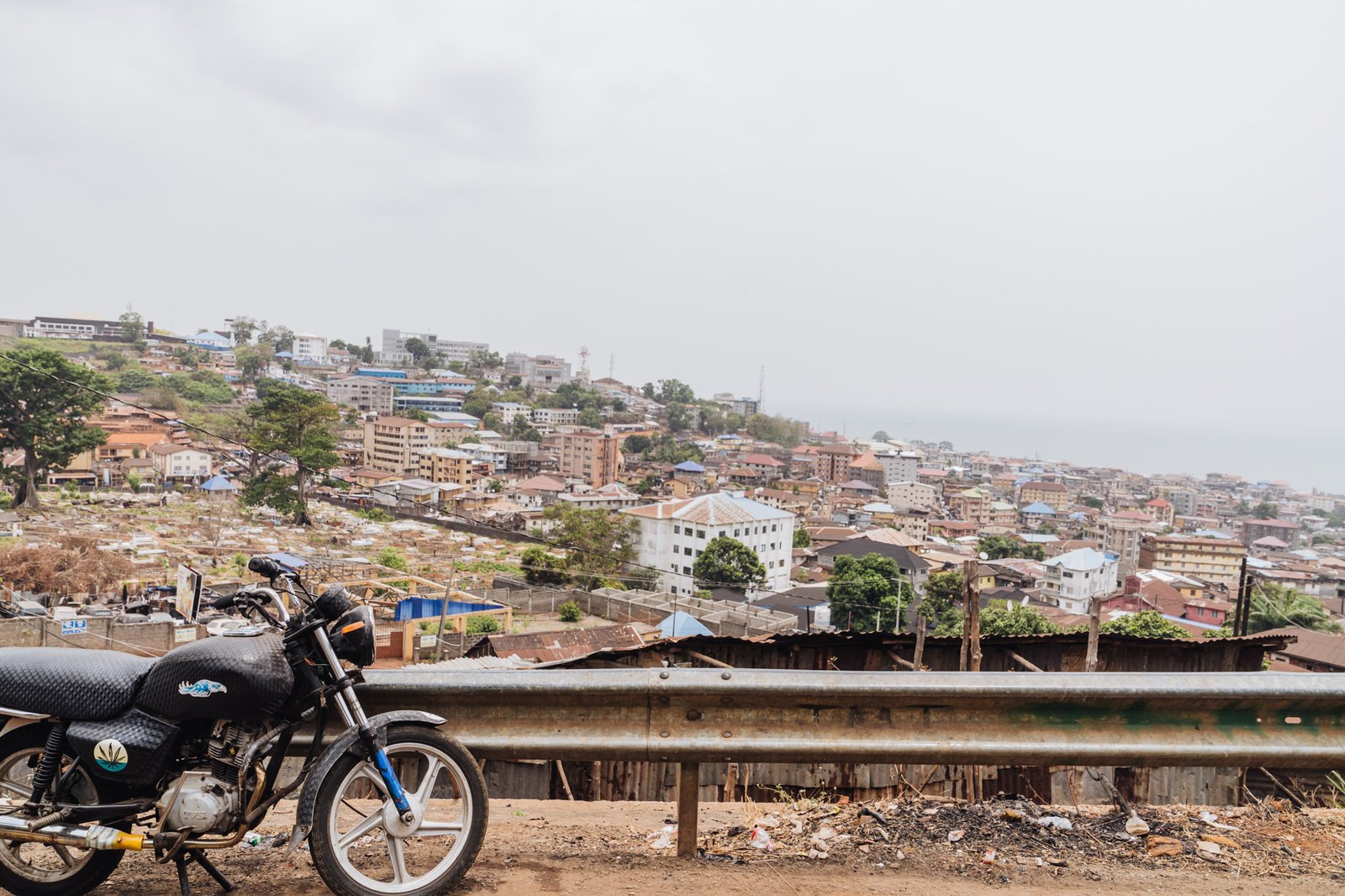
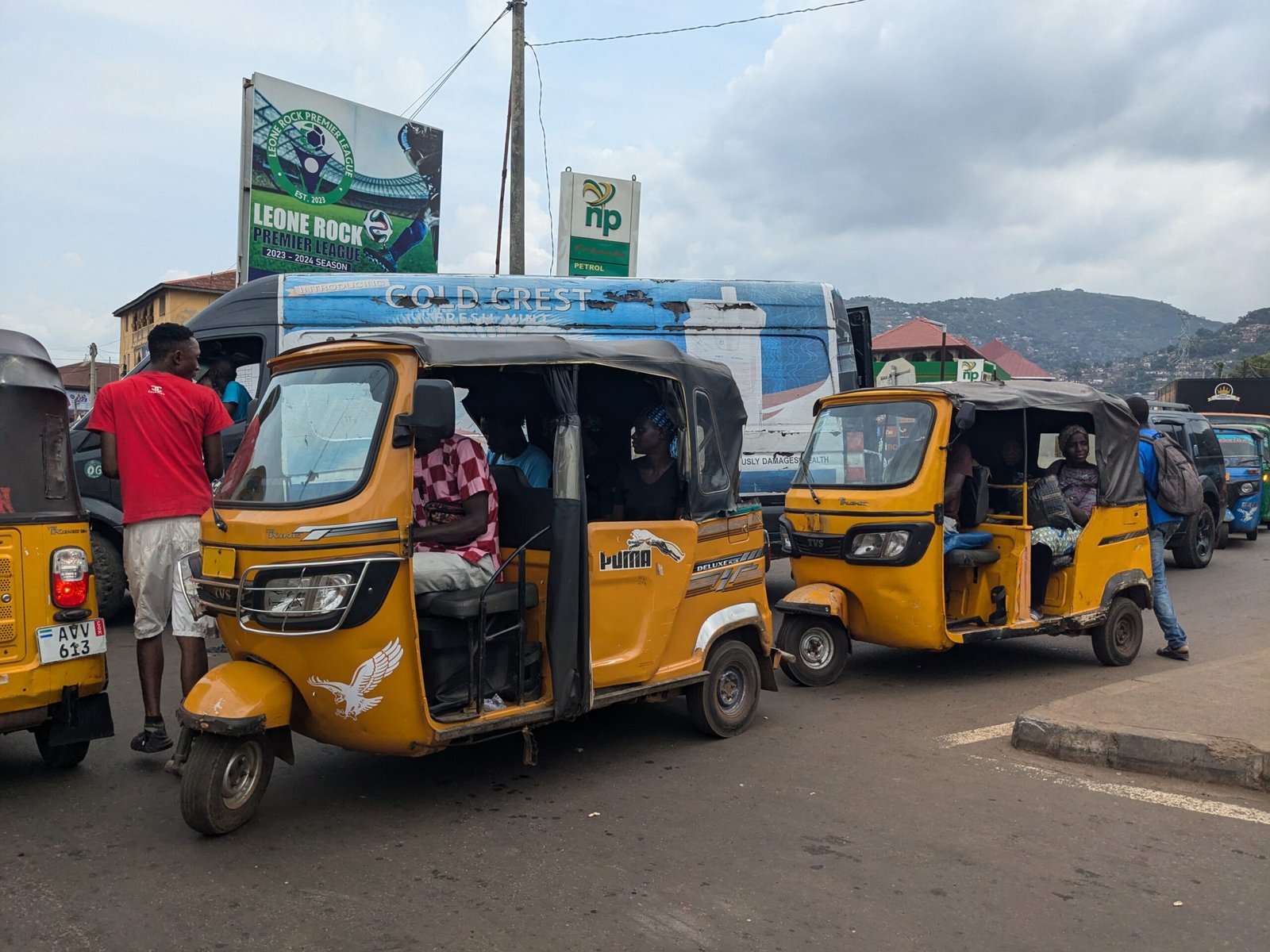
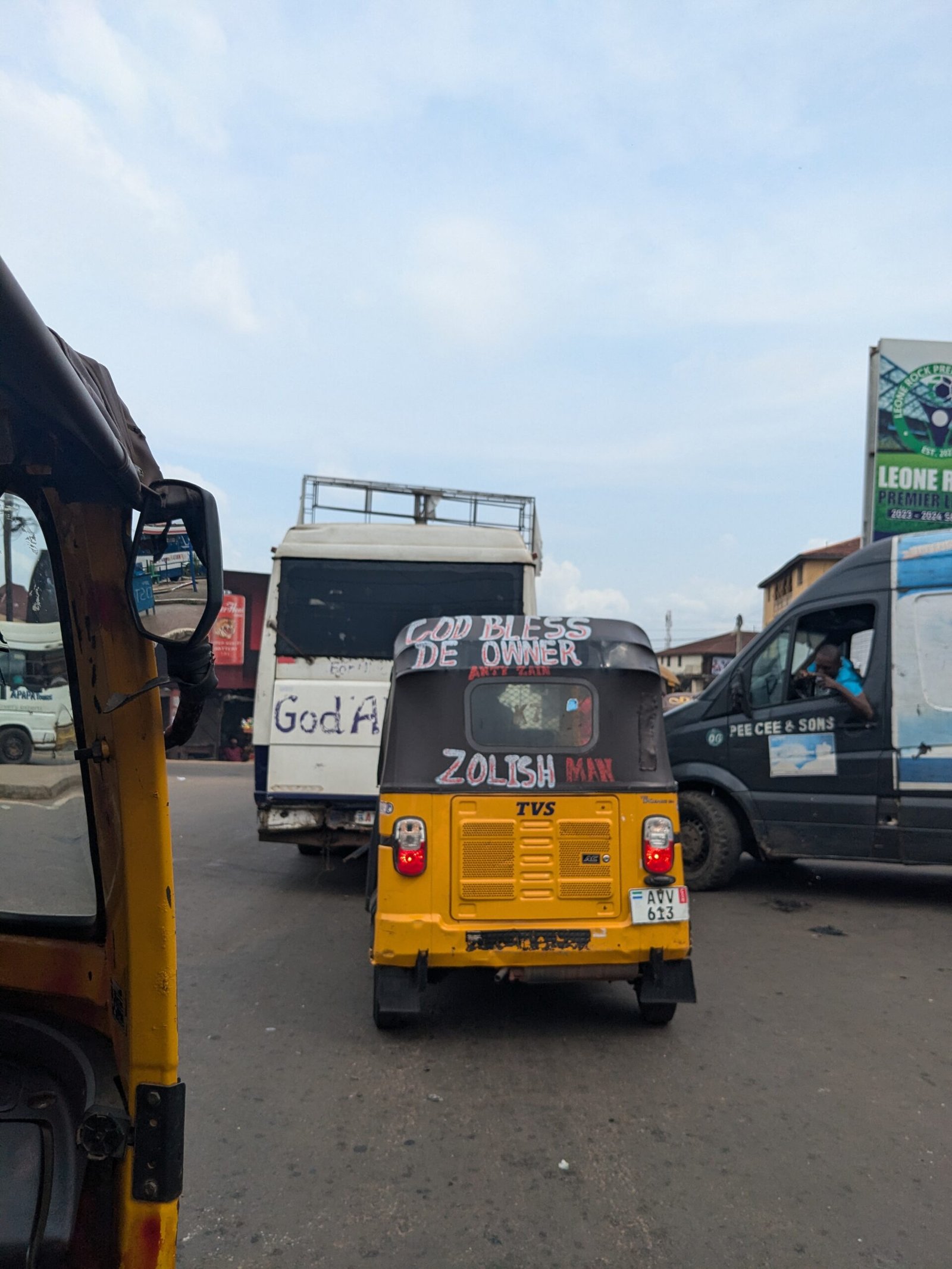
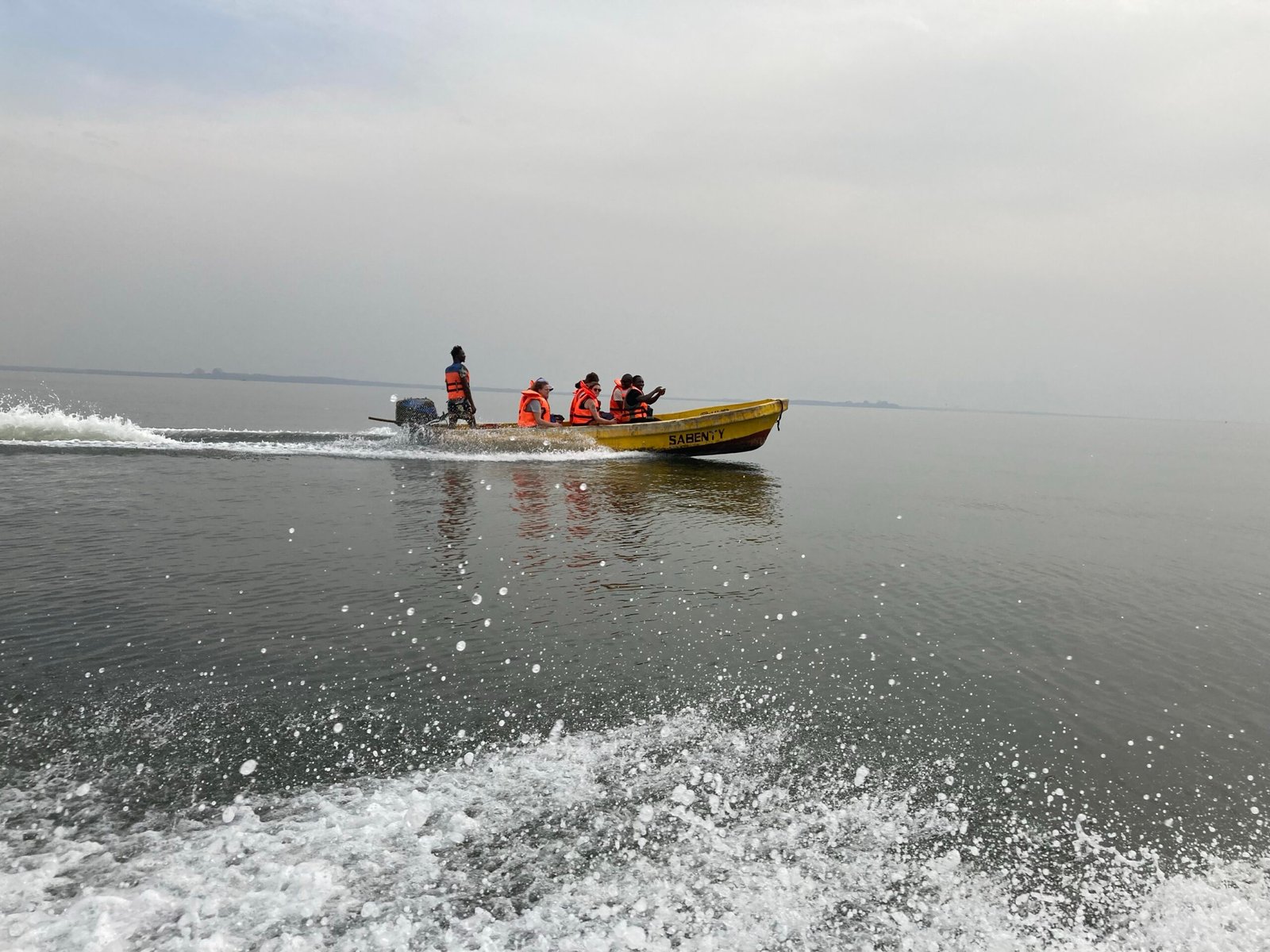
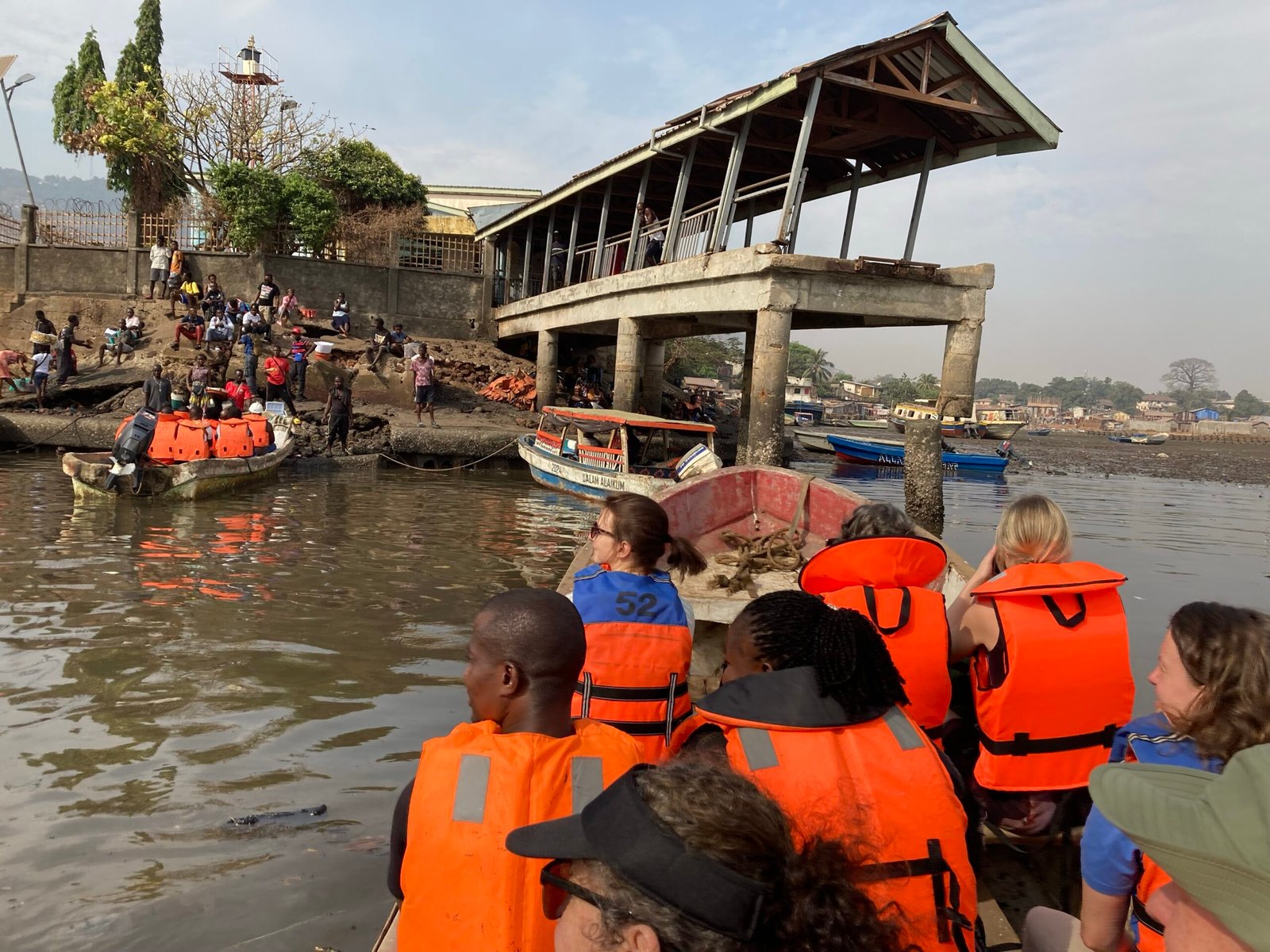
Considering I refuse to ride motorcycles in the U.S. I was surprised that I wasn’t nervous about riding them in Freetown. Traffic rules are at best a suggestion. I finally realized why I wasn’t nervous. Just about anything you do in Freetown risks your life. I took the boat photo travelling to Bunce Island (one of the largest slave trading forts in West Africa). As we made a fifteen-mile journey up the river, I sat over a broken, hull rib. Just another day in Freetown. The photo of the boat launch is when I had the realization that nothing was safe. If you look at the photo, you’ll see a broken pier and if you look closely, you will see someone on the pier. The airport is on the other side of the bay. Most can’t afford to travel by ferry. Many of the people in this picture are traveling to the airport.
POLLUTION
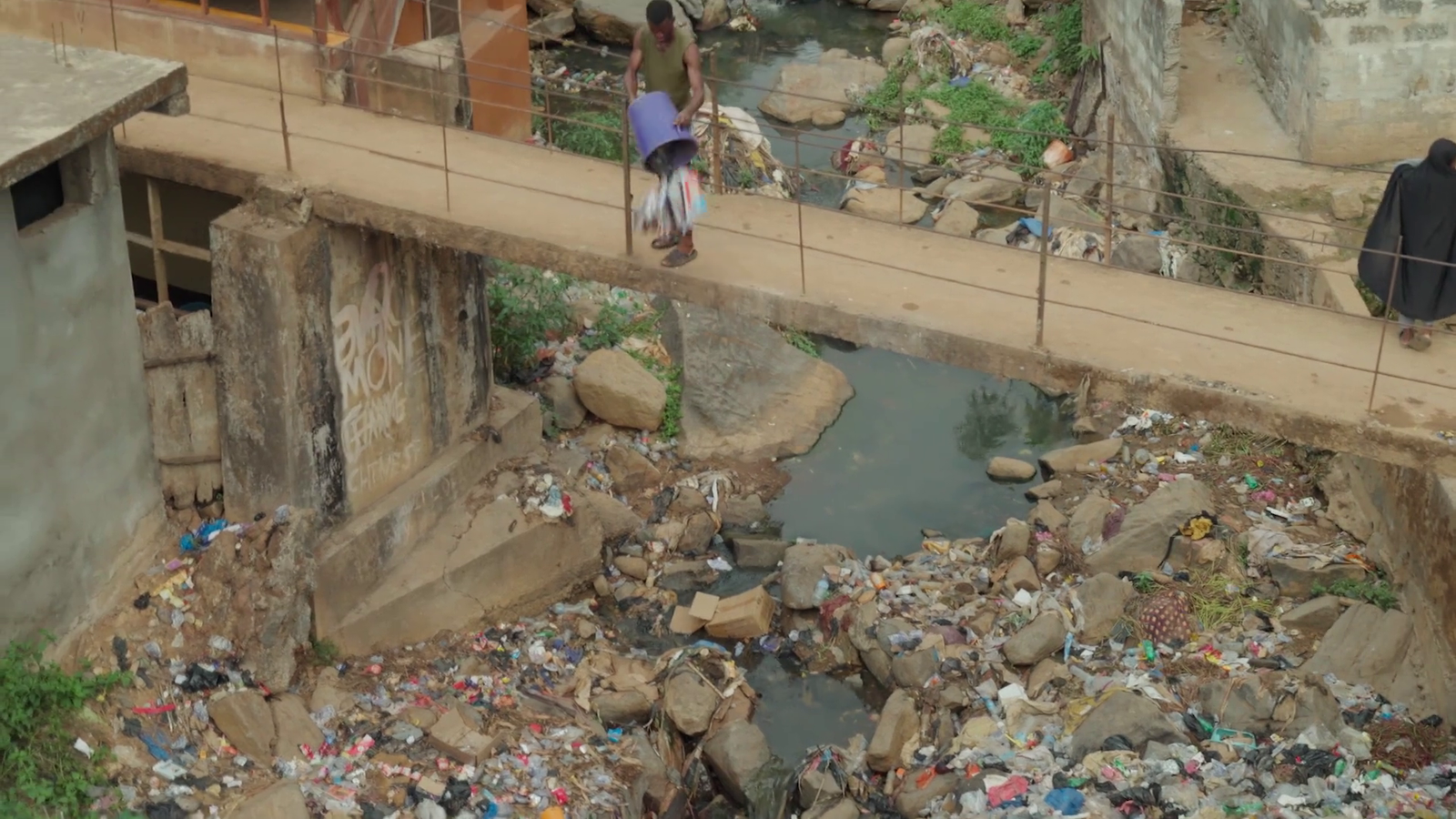
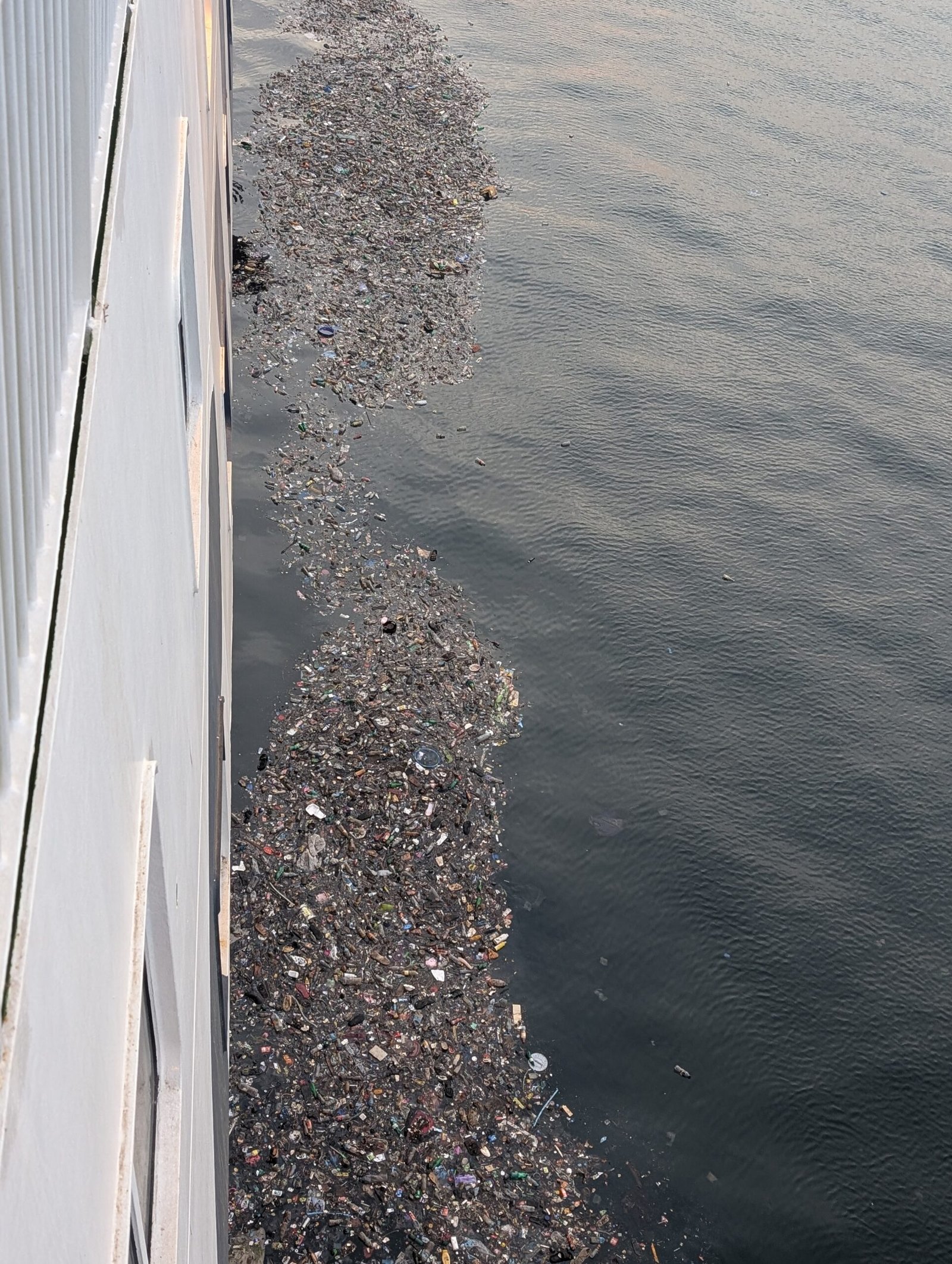
Pollution is beyond a serious problem in Freetown. With the lack of government garbage collection, the locals dump their trash anywhere. Worst of all into the local rivers as the rains will carry it away. Problematically, this doesn’t just affect Sierra Leone but the entire world as this trash will end up in the ocean. What could be beautiful beaches are covered in washed ashore trash.
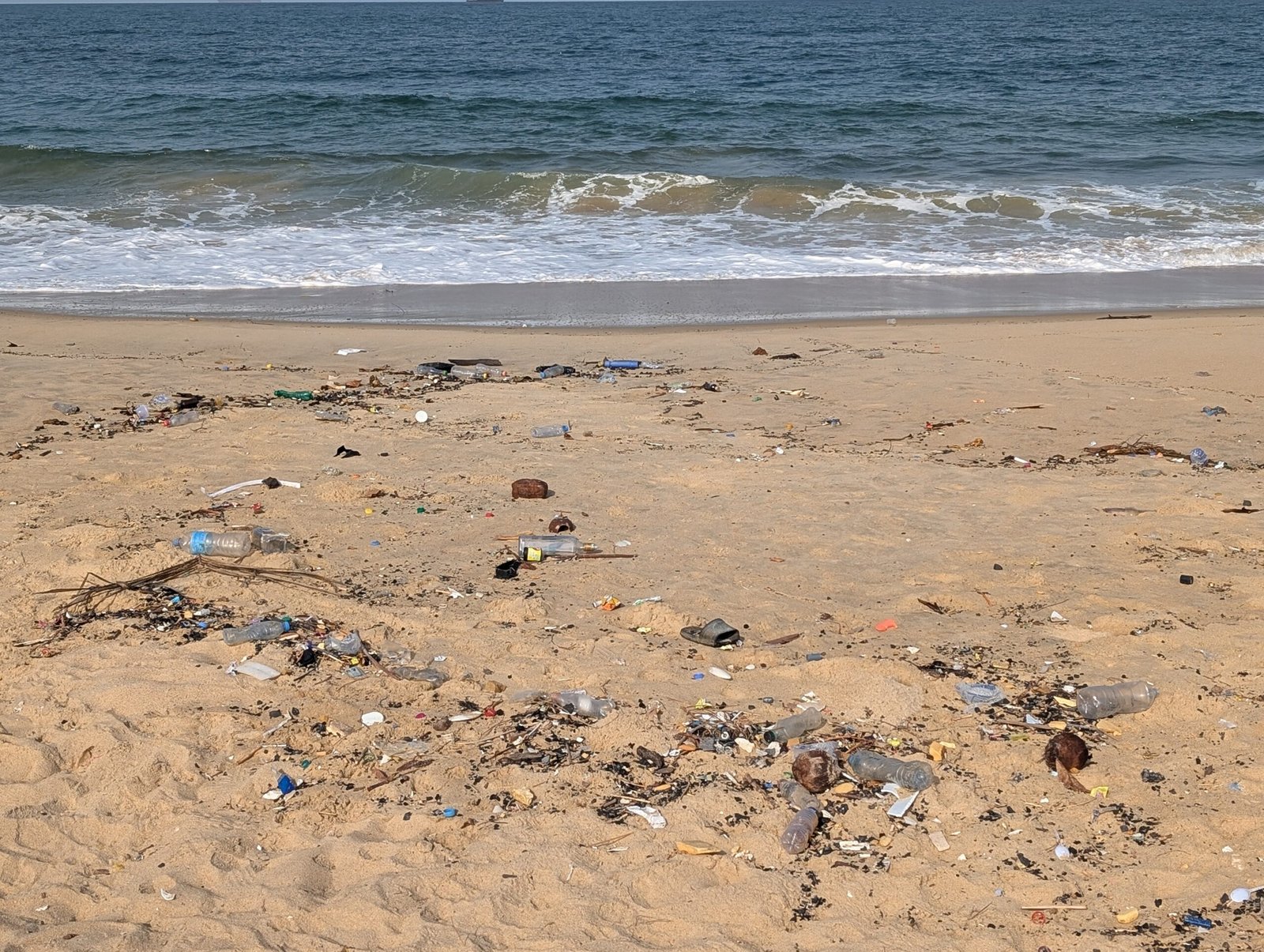
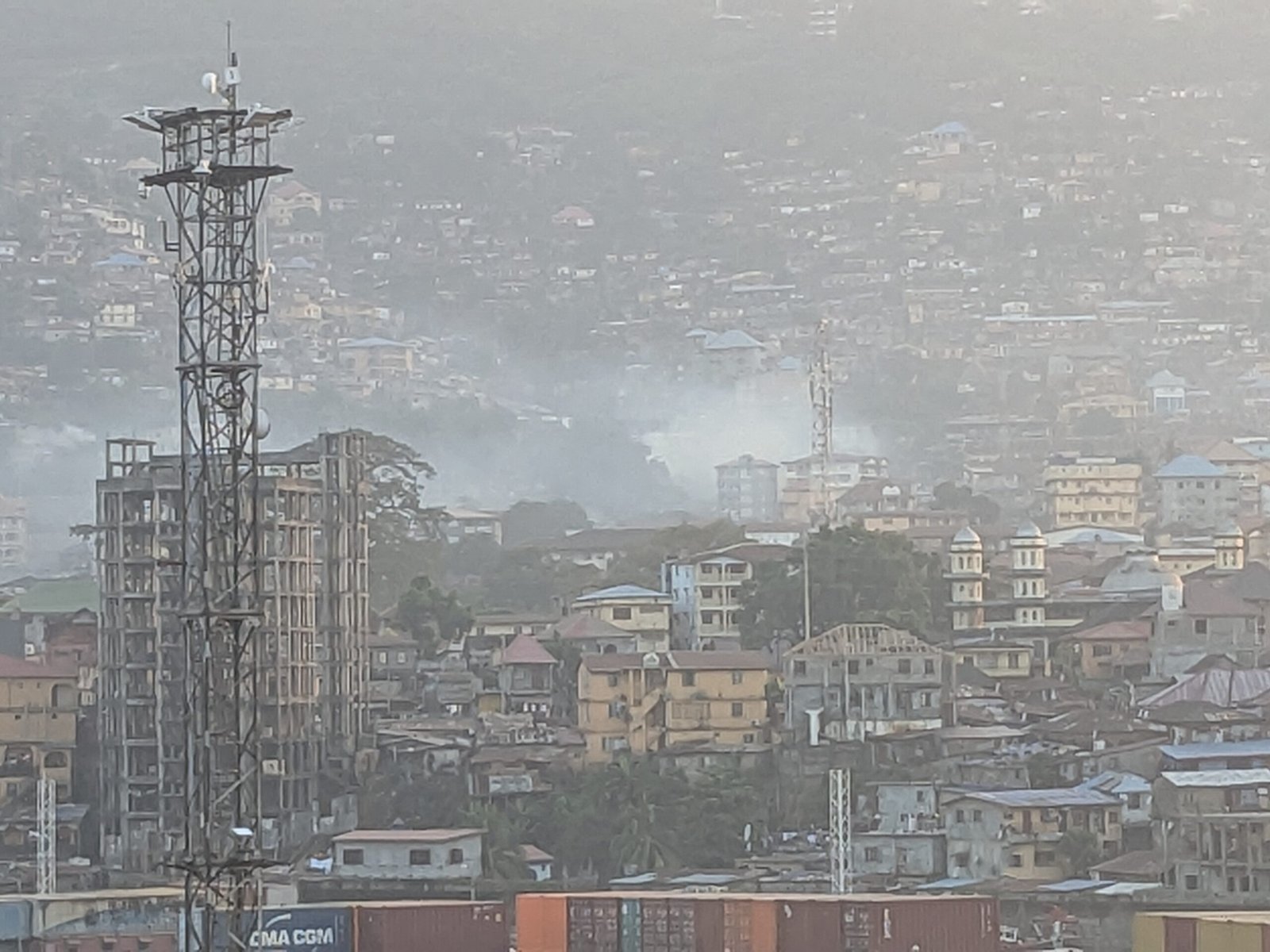
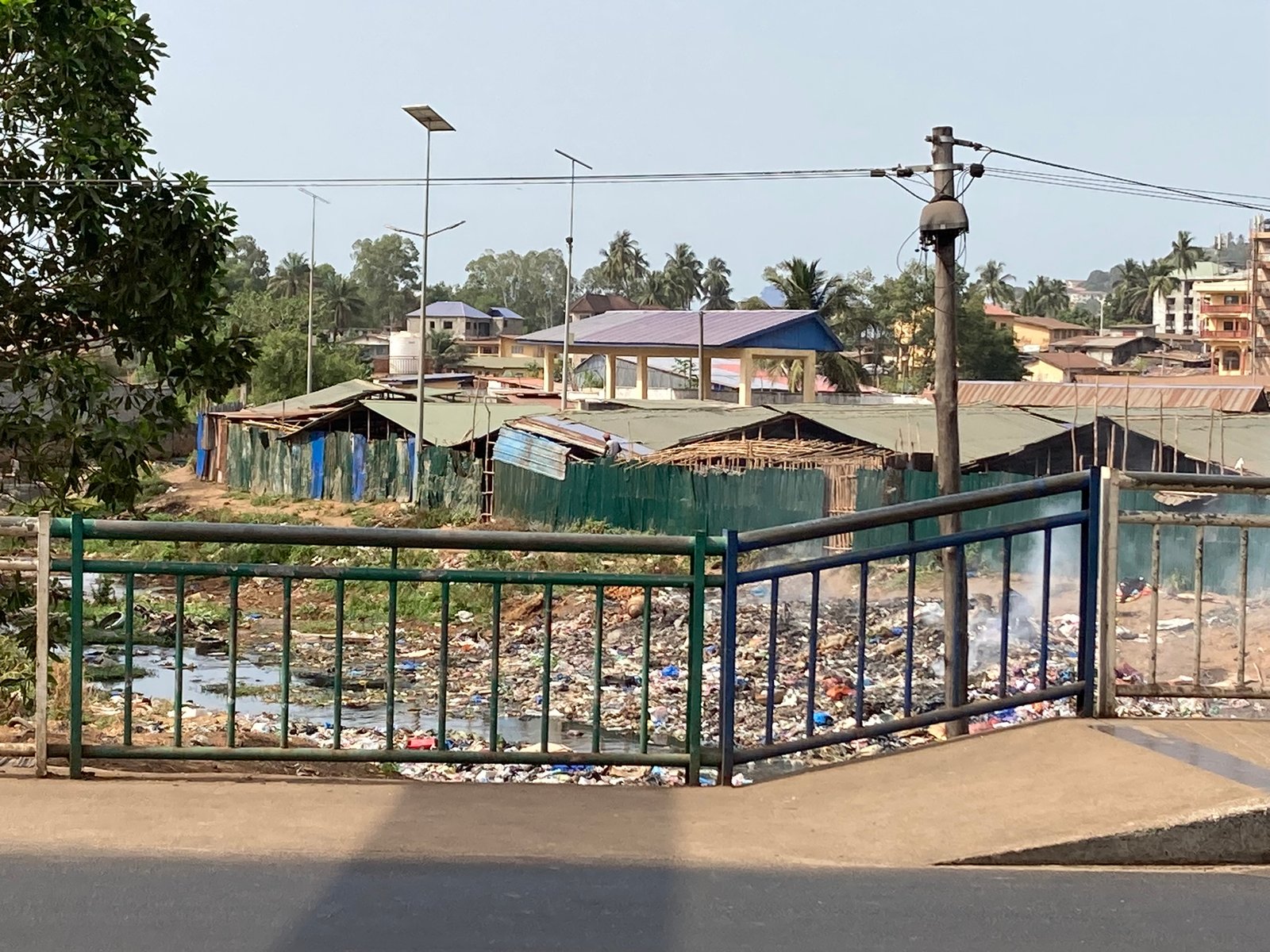
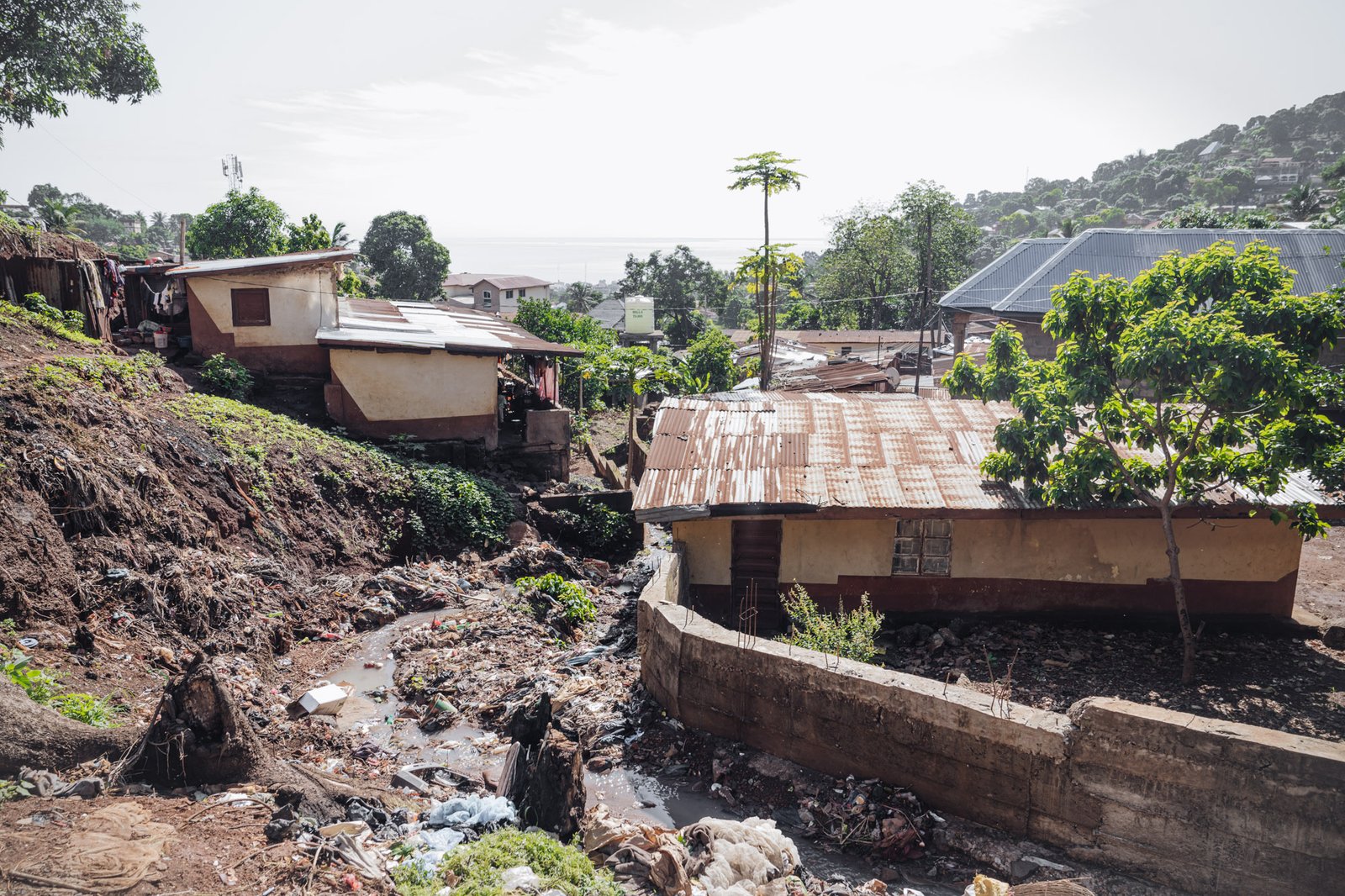
Safe drinking water is seriously lacking in Freetown. Neighborhoods receive water two days a week. If you want to have water when you need it, you have to have a way to store it. Hence, the water tank project at the Women’s Hospital. Water lines lay exposed along roads. People will collect water from leaking lines or cut them to get water. The additional tragedy of the rivers being used for dumping grounds is that many people rely on them for water.
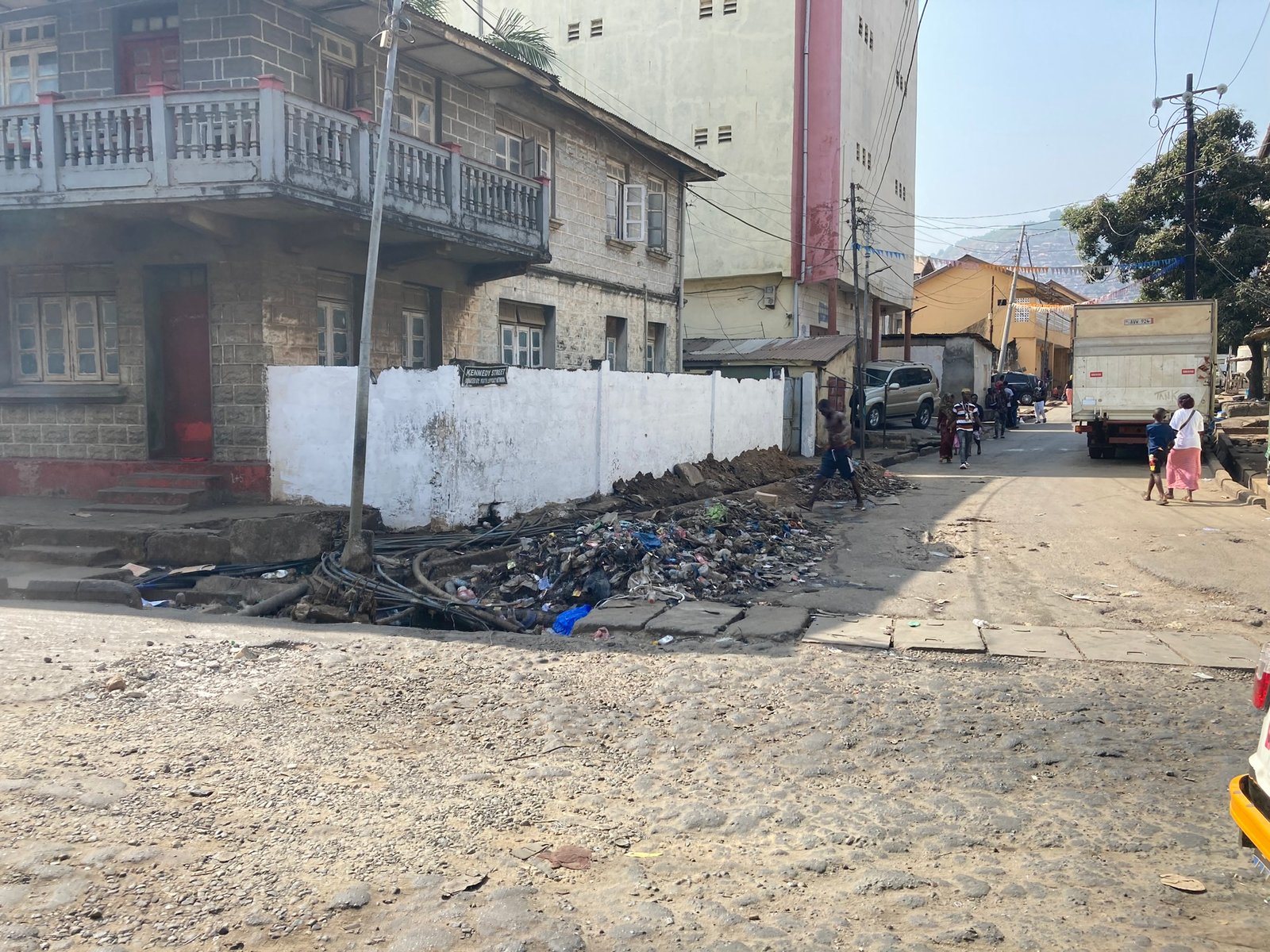
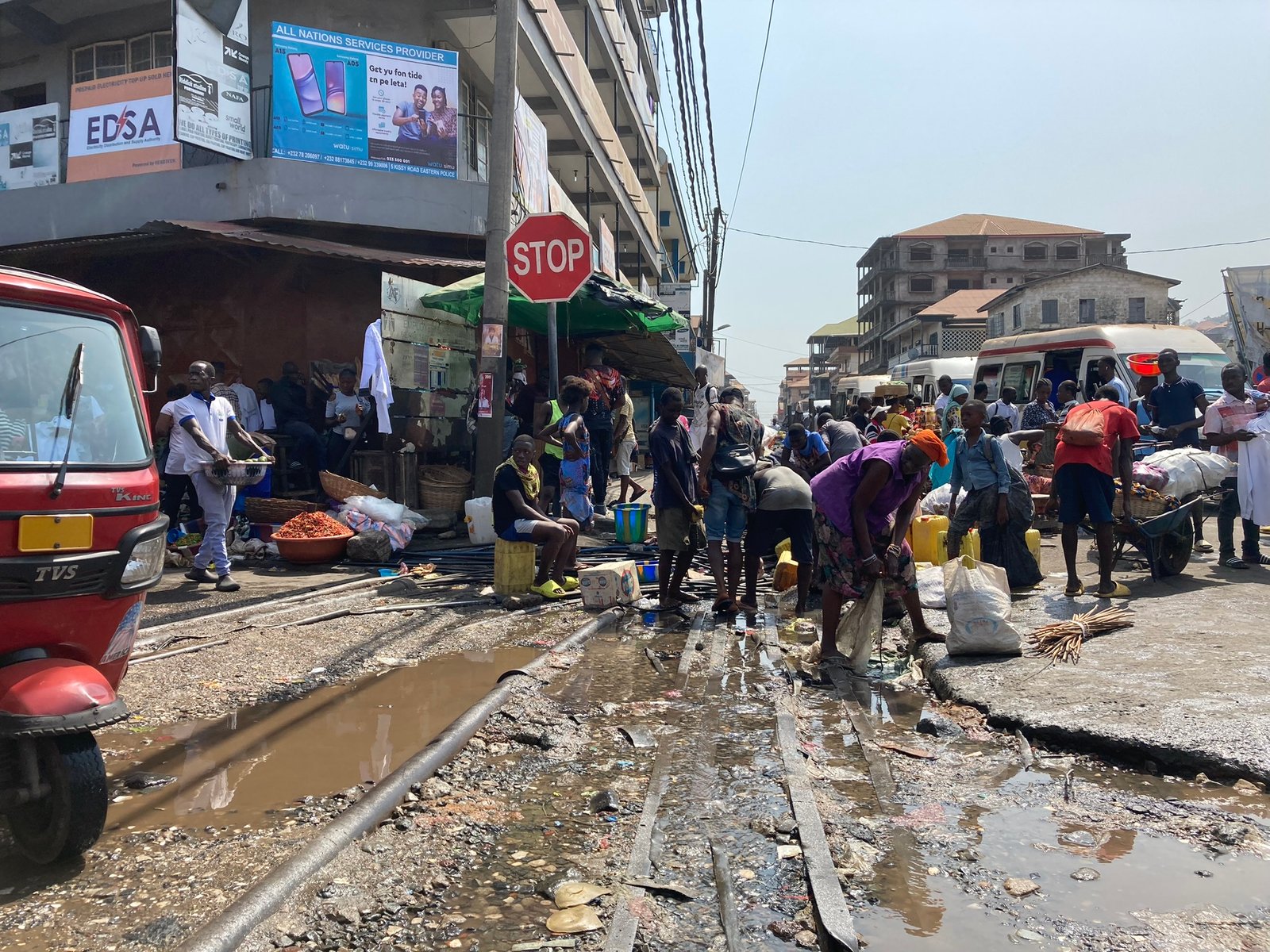
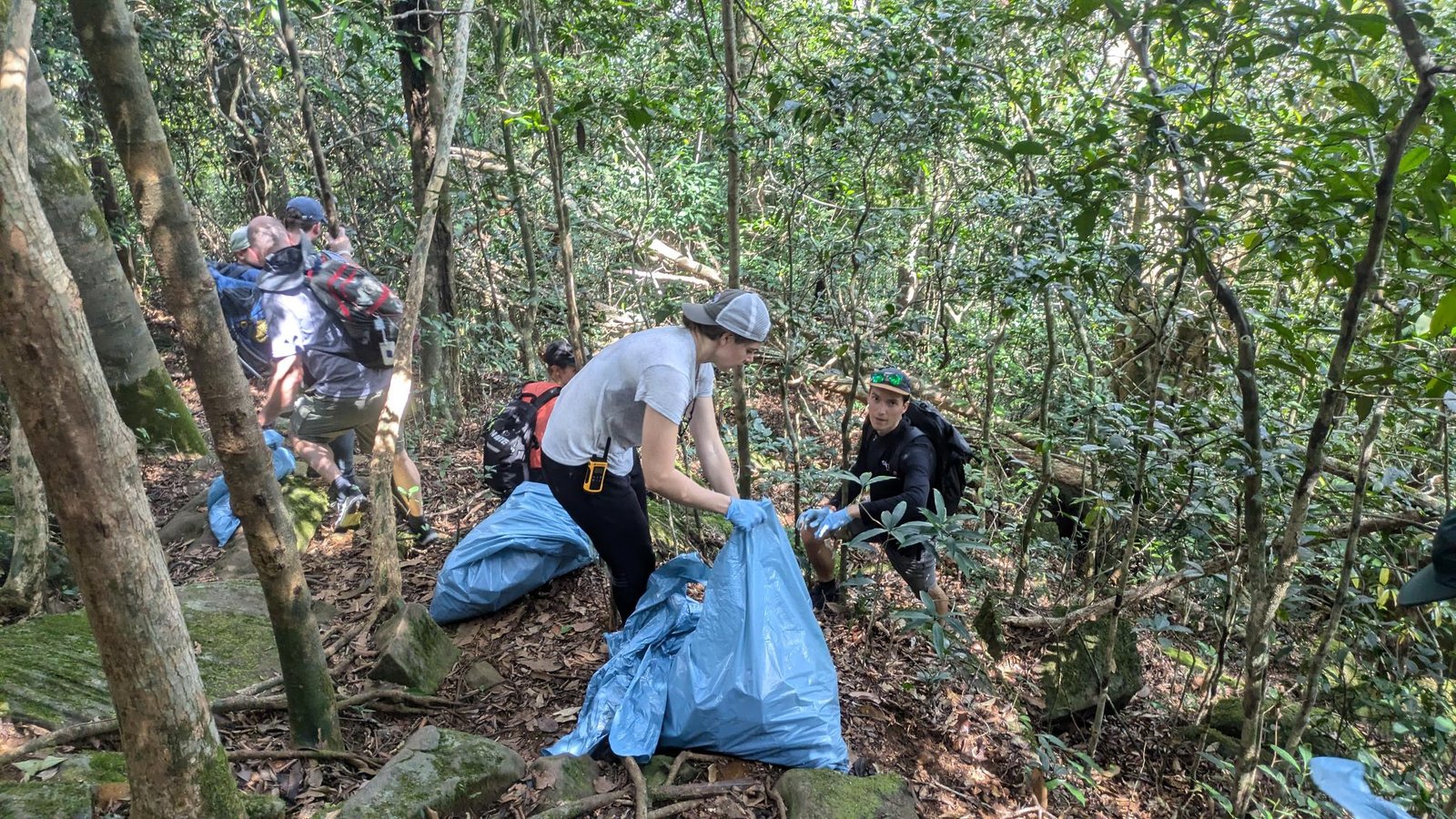
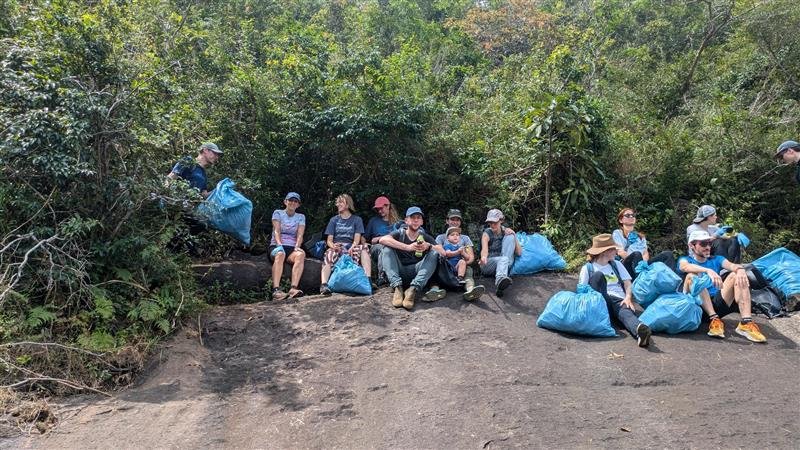
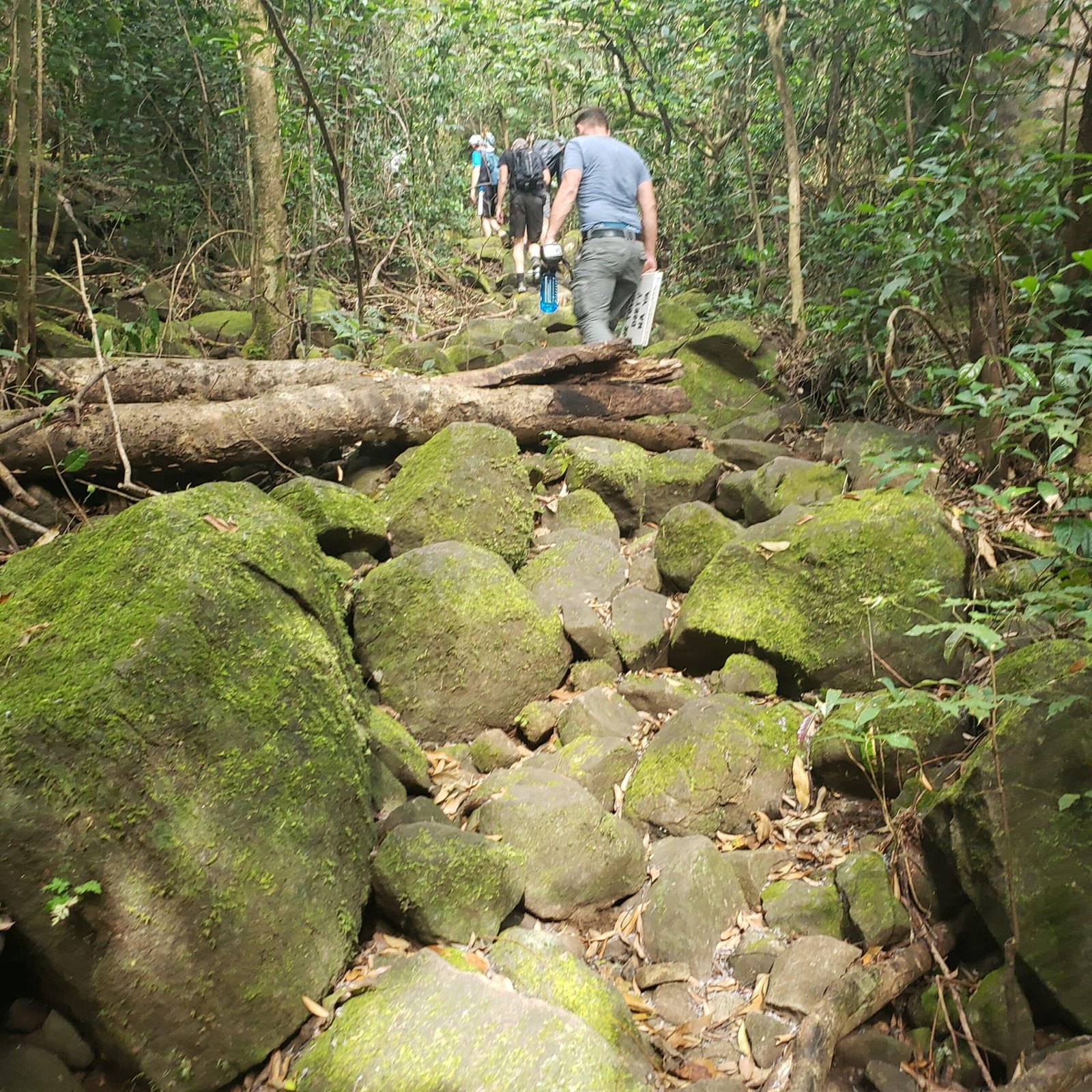
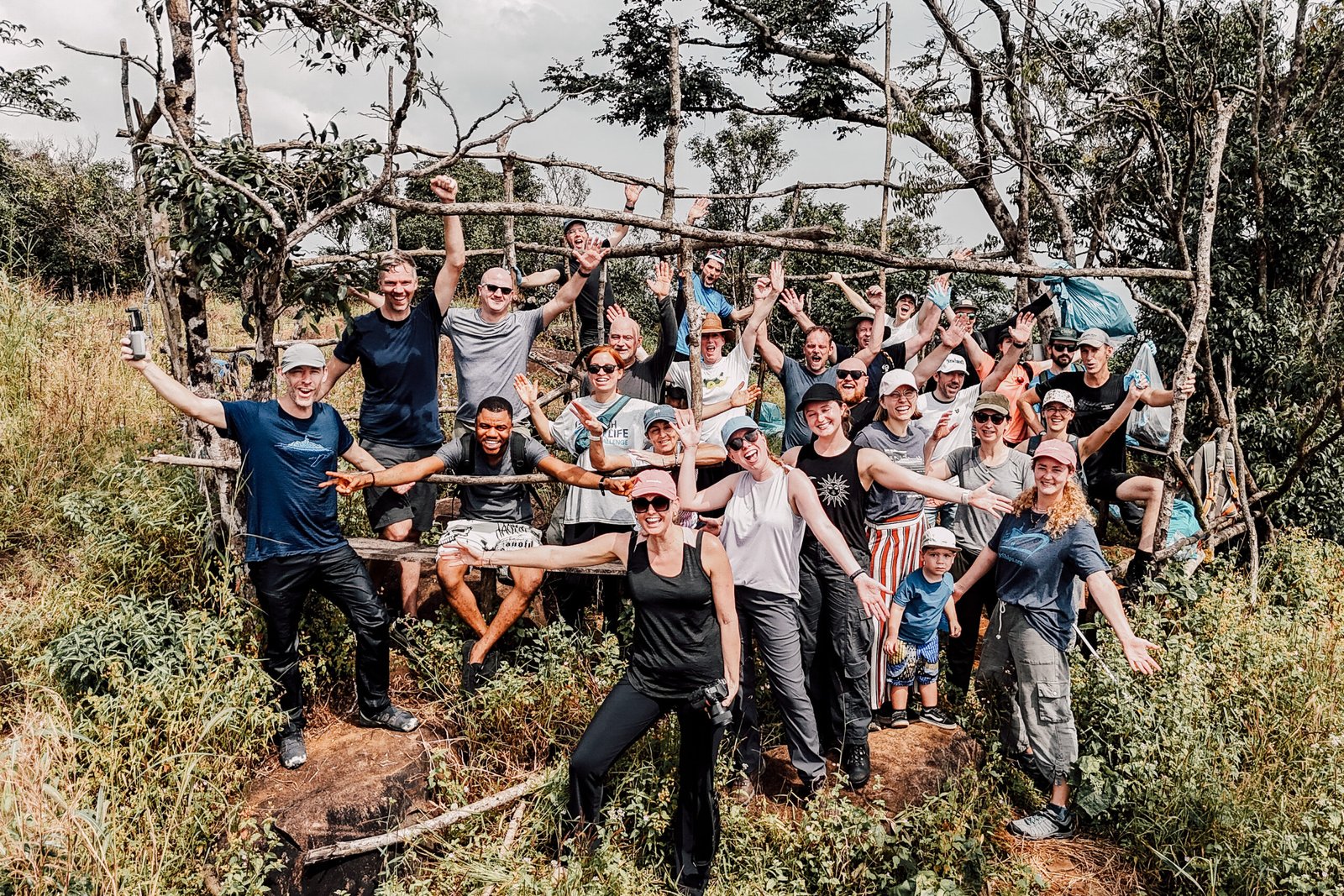
To make a very minor dent in the pollution, on one of our days off, a group of us climbed Sugarloaf Mountain and collected trash. Sugarloaf is the tallest peak, at 708 meters, around Freetown. It is a popular destination. There really isn’t much of a marked trail up the mountain. Occasionally, there might be a small piece of fabric tied to a tree. There are no trash receptacles along the way and unfortunately, people just drop their trash on the mountain side.
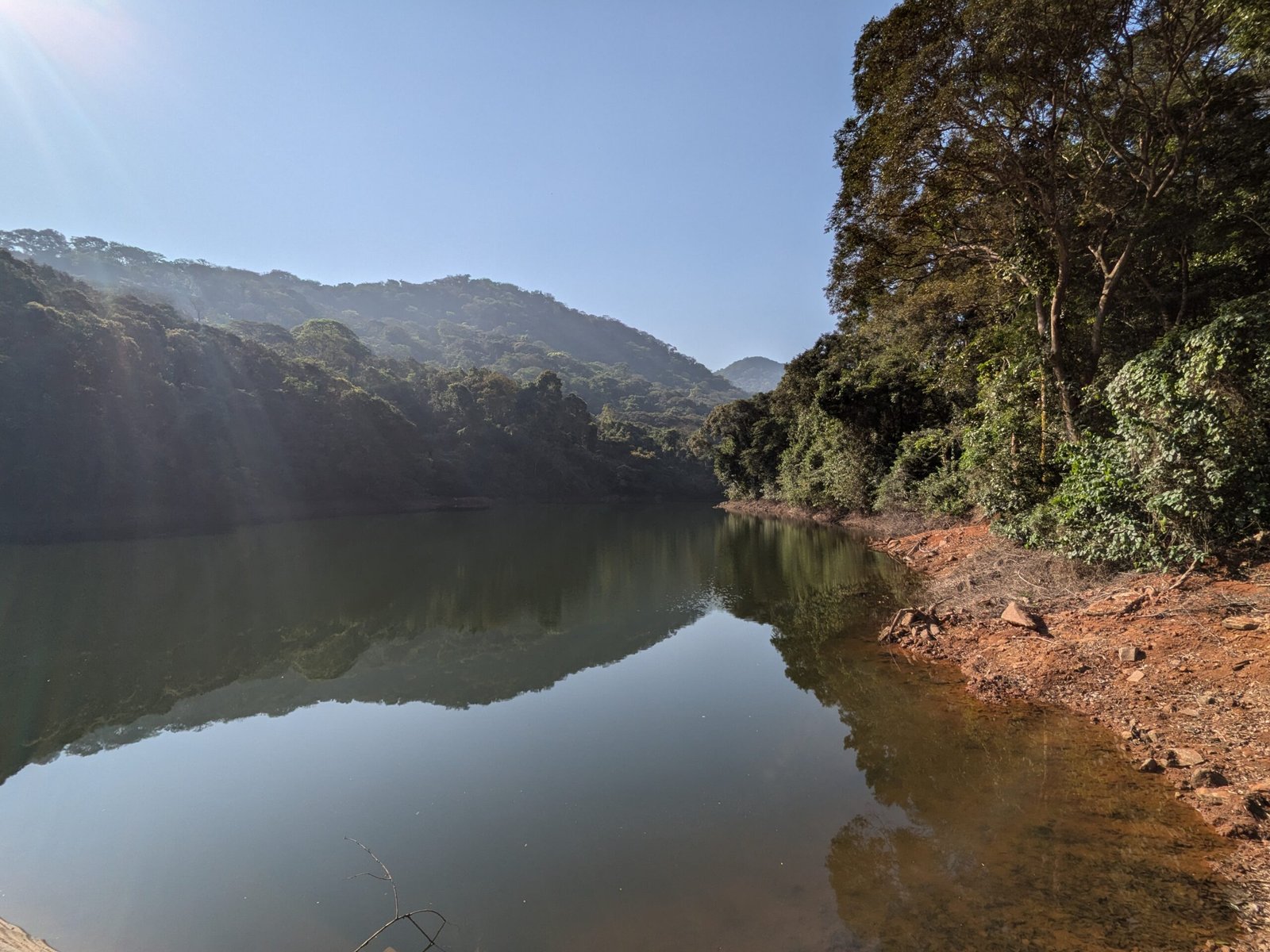
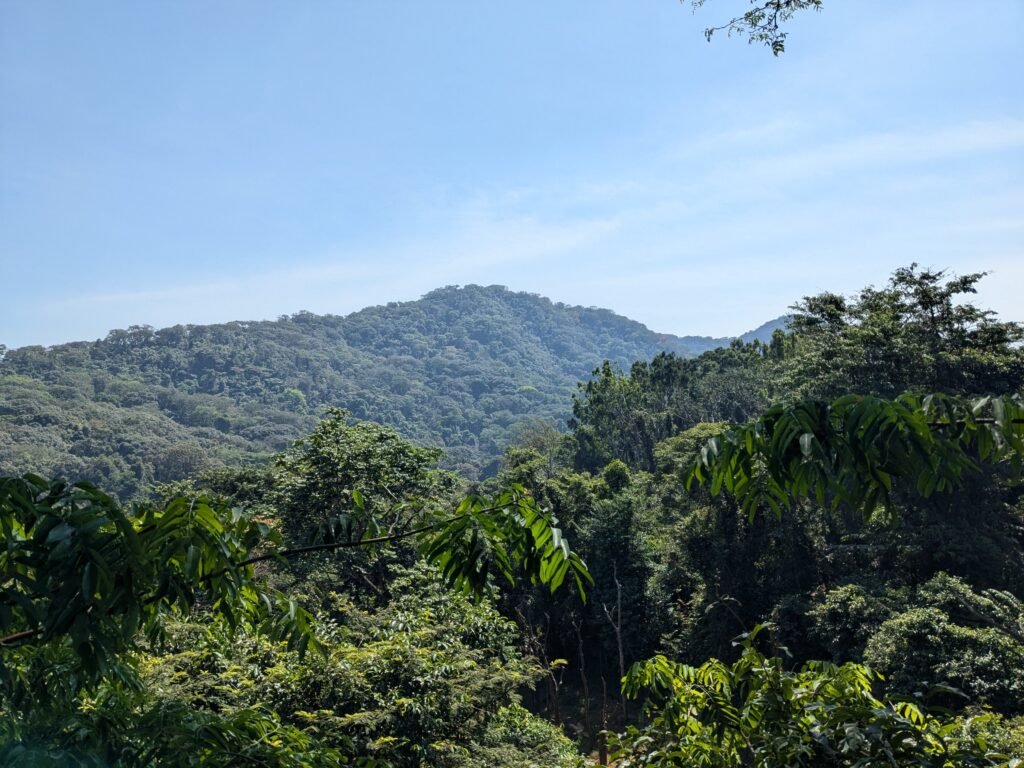
Amongst it all there is a lot of beauty including the Tacugama National Forest and Chimpanzee Sanctuary